Are Chihuahuas Easy to Train? Temperament and Trainability FAQ
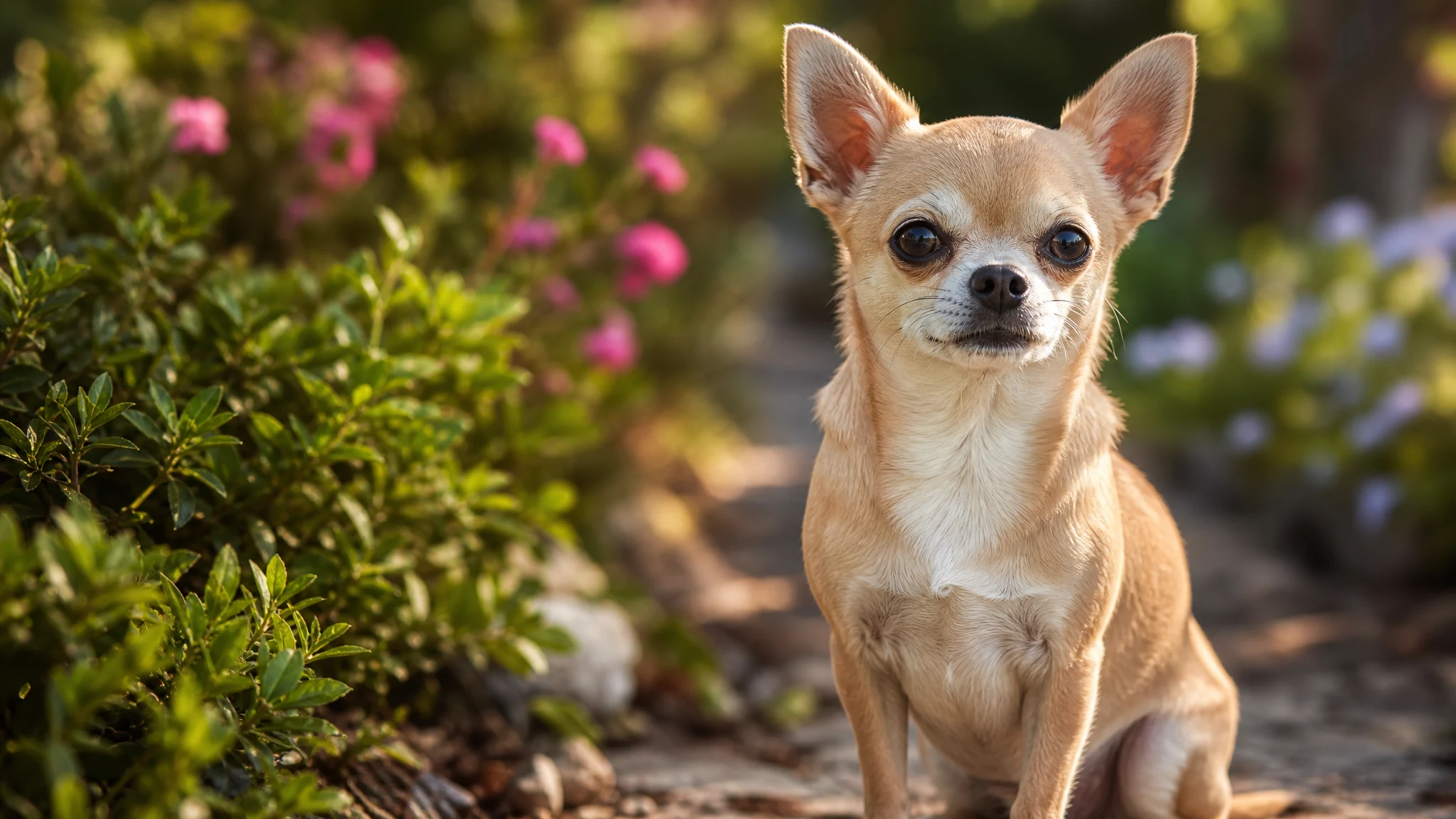
General training information. Every dog is an individual; for health or behavior concerns, see your veterinarian.
Chihuahuas are tiny, bold and full of opinions. That mix makes people ask whether the breed is a breeze or a battle. The honest answer sits in the middle, and it depends a lot on the owner and the individual dog.
Below are the questions owners ask most about Chihuahua trainability and temperament, grouped by theme. For step-by-step teaching, see our complete guide to training a Chihuahua.
Trainability and Intelligence
Are Chihuahuas easy to train?
They can be trained well, but they are not automatic. The PDSA, a UK pet charity, says the breed needs consistency and responds to reward-based methods. For an official trainability rating, check the American Kennel Club breed page or ask the Chihuahua Club of America.
Are Chihuahuas smart?
The sources we rely on do not rank Chihuahua intelligence, so we will not put a number on it. What owners can see is how quickly a dog works out what earns a reward. A bright, alert dog still needs short, clear and consistent lessons to turn that into manners.
What does Chihuahua trainability look like in daily life?
Expect progress to come from many tiny, repeated sessions rather than one long class. The PDSA stresses consistency, which means everyone in the home uses the same cues and rules. Dogs that get mixed messages tend to look stubborn when they are really confused.
What training approach works best?
Reward-based training, in line with the American Veterinary Society of Animal Behavior. The PDSA also says the breed responds to a fair, steady approach. We never recommend shock, prong or choke collars, alpha rolls, scruffing or dominance methods.
When should I start training a Chihuahua?
Start as soon as your puppy comes home. The PDSA advises socialising from a young age, so gentle, positive introductions to people, sounds and places matter early. Keep sessions brief and end on a win.
Why does my Chihuahua seem stubborn?
Often the reward is not worth the effort to the dog, or the cue is unclear. Try a tastier treat, a quieter room and smaller steps. If a dog suddenly stops cooperating, ask your veterinarian to check for pain or illness.
Temperament
What is the Chihuahua temperament?
The Chihuahua Club of America breed standard describes the dog as alert, with terrier-like attitudes of self-importance, confidence and self-reliance. That is a lot of personality for a dog that must not exceed 6 pounds under the same standard. Plan for a confident little dog, not a fragile ornament.
Do Chihuahuas have a big-dog attitude?
The club's wording points that way, with its mention of self-importance and confidence. In practice that can mean a dog that tries things larger dogs would think twice about. Management and calm training keep that confidence from turning into trouble.
Are Chihuahuas good with children?
Hill's Pet says they can be good family pets when treated respectfully, but they have a reputation for snapping at strangers or small children. Young kids need to be taught to handle a tiny dog gently. Always supervise, and let the dog walk away when it has had enough.
Are Chihuahuas friendly with strangers?
Some are, and some are wary. The PDSA lists snapping at strangers as a known challenge, which is why early, positive socialisation matters. Let your dog approach new people at its own pace rather than passing it around.
Do all Chihuahuas act the same?
No. Breed descriptions come from clubs and charities summarising the breed as a whole. Your own dog may be bolder, shyer, quieter or clingier than any description.
Energy, Barking and Alone Time
How much exercise does a Chihuahua need?
The PDSA suggests a minimum of half an hour a day, ideally split into two walks, plus play in a secure area. Short bursts of play and simple training games count toward a busy day. A tired, mentally occupied dog is usually easier to teach.
Is a Chihuahua just a lap dog?
Not quite. Hill's describes the breed as active and happiest when kept occupied, despite being a lap dog. Puzzle toys, sniffing walks and trick training give that energy a job.
Do Chihuahuas bark a lot?
Hill's says they may be more prone to barking than some larger dogs, and the PDSA lists barking as a challenge. Reward quiet moments and teach a calm alternative, such as going to a mat. Check with the breed club or your vet if barking seems excessive or sudden.
Can a Chihuahua be left alone?
The PDSA lists difficulty being left alone as a known challenge for the breed. Build up absences slowly, starting with a few minutes, and reward calm behaviour. If your dog panics when alone, talk to your veterinarian or a qualified reward-based trainer.
Who the Breed Suits
Are Chihuahuas good for first-time owners?
They can be, if you are ready for daily consistency, early socialisation and some barking. Neither the PDSA nor Hill's frames the breed as effortless. Owners who enjoy short, regular training sessions tend to find the work rewarding.
Who is a Chihuahua a good match for?
People who want a small, confident companion and will commit to training and gentle handling. Homes with very young children need extra care, given Hill's note about snapping. Check the Chihuahua Club of America for breeder and rescue guidance.
Common Myths
Do small dogs need less training?
No. Size does not remove the need for manners, and the PDSA points to barking, snapping and trouble when left alone as areas that need work. Training a small dog early prevents habits that become hard to undo.
Do I need to be the alpha to train a Chihuahua?
No. Dominance methods are not part of humane training, and the veterinary behaviour community, including AVSAB, backs reward-based approaches. Clear rules, patience and rewards do the job without fear.
Does a soft spot on the head mean something is wrong?
Not necessarily. The Chihuahua Club of America says many puppies are born with a molera, a soft spot on top of the head, and about as many are born without. The club says its presence does not mean a medical problem, but ask your veterinarian about your own dog.
Can health problems affect training?
Yes. The PDSA lists luxating patellas, hip dysplasia, eye conditions, heart disease, tracheal collapse and dental problems among Chihuahua health concerns. Pain or discomfort can change behaviour, so raise changes with your veterinarian. For breed health screening recommendations, check with the Chihuahua Club of America.
The Bottom Line
Chihuahua trainability is real, but it rewards patience. Keep sessions short, reward what you like, socialise early and respect that your dog is an individual. When you are ready to start, our Chihuahua training guide walks through the basics.