Chihuahua Training From Day One
Chihuahuas are alert, confident little dogs who like to be kept busy. Start with kind, consistent, reward-based habits and your dog learns what you want without fear or force.
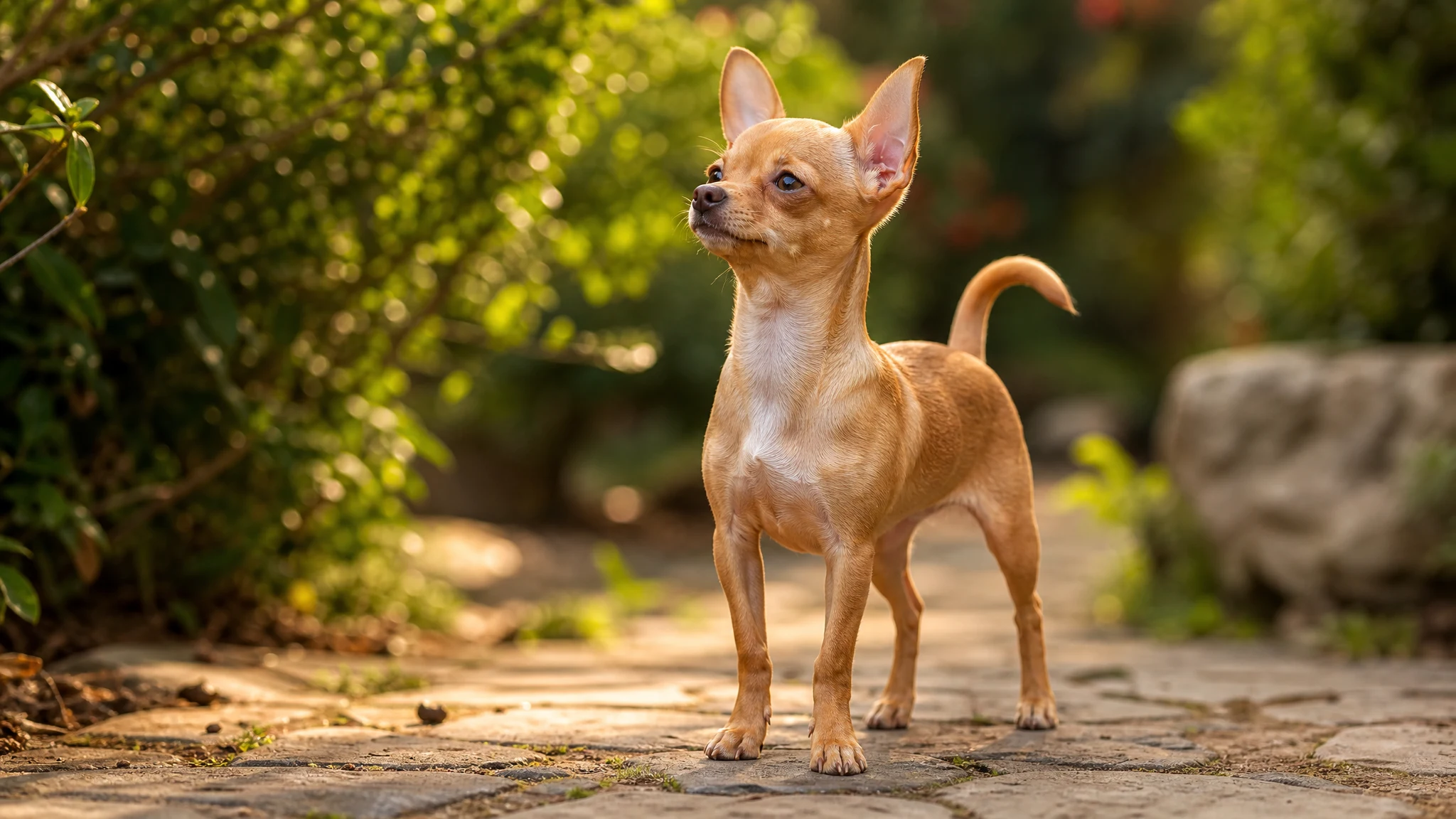
The Chihuahua at a glance
From the AKC breed page and the national breed club, as they state it.
| Origin | Named after the Mexican state of Chihuahua, where the dog was discovered about 1850; earlier ancestry uncertain (Aztec, Incas or Spanish dogs of the 1500s are all proposed) source |
| Height | About 5 inches per Hill's text; Hill's own table gives 9 inches (male) and 7 inches (female) at the withers, so Hill's is inconsistent. No height range in the UKC standard. source |
| Weight | Not to exceed 6 pounds (CCA standard page); UKC ideal 3 to 6.5 pounds source |
| Life expectancy | Up to about 14 years per Hill's text (Hill's table says 14 to 18); PDSA says over 12 years source |
| Energy | Active, likes to be kept occupied, despite being a lap dog source |
| Barking | May be more prone to barking than some larger dogs (Hill's); AKC rating not obtained source |
| With children | Good family pets when treated respectfully, but reputation for snapping at strangers or small children (Hill's wording); AKC rating not obtained source |
| Temperament | Alert, with terrier-like attitudes of self importance, confidence and self-reliance source |
Chihuahua Training Guides
Practical guides on the everyday habits that help a Chihuahua and its owner get along well.
Puppy
From the first night home to adolescence: a Chihuahua puppy's training.
Training basics
Potty, crate and leash training, written for Chihuahuas.
Behavior
The Chihuahua problems owners ask about most, and the instincts behind them.
Exercise and jobs
How much a Chihuahua needs to do, and the sports and work the breed was made for.
Chihuahua Training Questions Answered
How much exercise does a Chihuahua need?
The PDSA, a UK pet charity, suggests at least half an hour a day, ideally split into two walks, plus play in a secure area. Hill's Pet describes the Chihuahua as active and likes to be kept occupied, despite being a lap dog. Ask your veterinarian what suits your individual dog.
What training style works best?
The PDSA, a UK pet charity, says Chihuahuas need consistency and respond to reward-based methods with a firm but fair approach. That fits the American Veterinary Society of Animal Behavior position favoring reward-based training. Use short sessions, tiny treats, and the same rules from everyone in the home.
Are Chihuahuas big barkers?
Hill's Pet says Chihuahuas may be more prone to barking than some larger dogs, though individual dogs vary. Notice what sets your dog off, reward quiet moments, and keep sessions calm. If barking becomes constant, ask a veterinarian or a qualified reward-based trainer for help.
How should I handle strangers and children?
Hill's Pet calls Chihuahuas good family pets when treated respectfully, but notes a reputation for snapping at strangers or small children. The PDSA advises socialising from a young age. Keep meetings calm and short, reward relaxed behavior, and supervise children closely so the dog is never handled roughly.
Can a Chihuahua be left alone?
The PDSA lists difficulty being left alone among the challenges for this breed. Build up absences slowly, starting with a few minutes, and reward calm behavior when you leave and return. If your dog panics, talk to your veterinarian, since distress can have medical or behavioral causes.
Chihuahua health screening
Tests the breed's club and OFA recommend for breeding dogs. Ask a breeder for results.
| Health issues the club notes | PDSA (UK charity) lists luxating patellas, hip dysplasia, eye conditions, heart disease, tracheal collapse and dental problems | Hill's notes some have a soft spot on top of the head (molera) source |
| National breed club | Chihuahua Club of America (CCA), https://www.chihuahuaclubofamerica.org source |
General training information. Every dog is an individual; for health or behavior concerns, see your veterinarian.