 Chihuahua
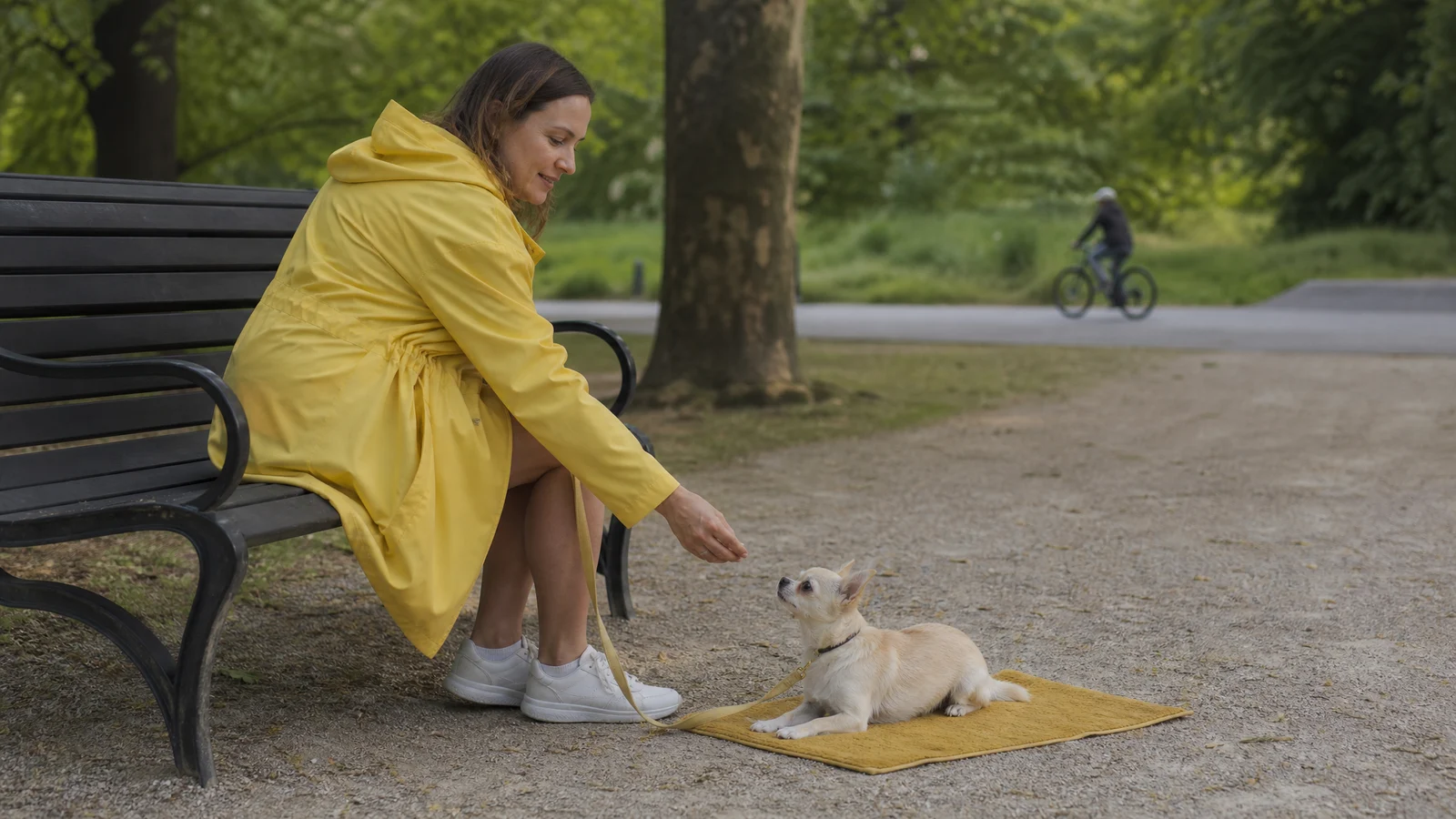
Give a scared Chihuahua room to stay well away from whatever frightens them, and pay them with treats for noticing it from there. The breed was built to notice everything and announce it, so fear in a Chihuahua is usually the alarm system stuck on, not a flaw in the dog.
Left alone, a stuck alarm turns into lunging, snapping or hiding, and harsh responses make it worse in small dogs. Handled well, a wary Chihuahua often becomes a devoted one who trusts you to step in when something looms.
Below, you'll find how the watchdog instinct and early development set up fear, how to read the signs, and why punishment backfires, including treat and distance setups for thunder, fireworks and visitors.
A Small Watchdog's Built-In Alarm Drives Behavior
Fear in a Chihuahua starts with a trait most owners like, the alarm. On a five-point breed scale, barking rates 5 and watchdog nature rates 4. A longtime breed judge describes an alarm bark that makes them a desirable watch dog, and the breed club praises an alertness that gives guardian-like ability. A dog built to notice change and announce it will also find more to worry about than a dog who shrugs.
Tell the alarm from the fear by what happens next. If your Chihuahua barks, glances back at you and settles quickly, the system is working and you should leave it alone. If they keep scanning, pace, refuse treats or stay rattled after the trigger is gone, the alarm is stuck on. That second dog is the one to train.
Size and reserve feed the loop. Openness to strangers rates only 2 of 5 for the breed, a small dog may use an outsized display when they feel unsafe, and Chihuahuas can be very protective of their people, sometimes taking on more than they can handle. Treat barking at people as a confidence problem as well as a noise problem. Our guide to Chihuahua temperament and trainability covers the wider picture.
What Does Fear Look Like in a Chihuahua?
Read the whole dog, because the loud signs come late. Lip licking and turning away deserve the same attention as a growl, and a small dog's distress should never be laughed off as cute. Flattened ears are the sign that trips people up. The breed standard says this can be a greeting rather than fear, so check the rest of the body and whether the dog moves toward you or away.
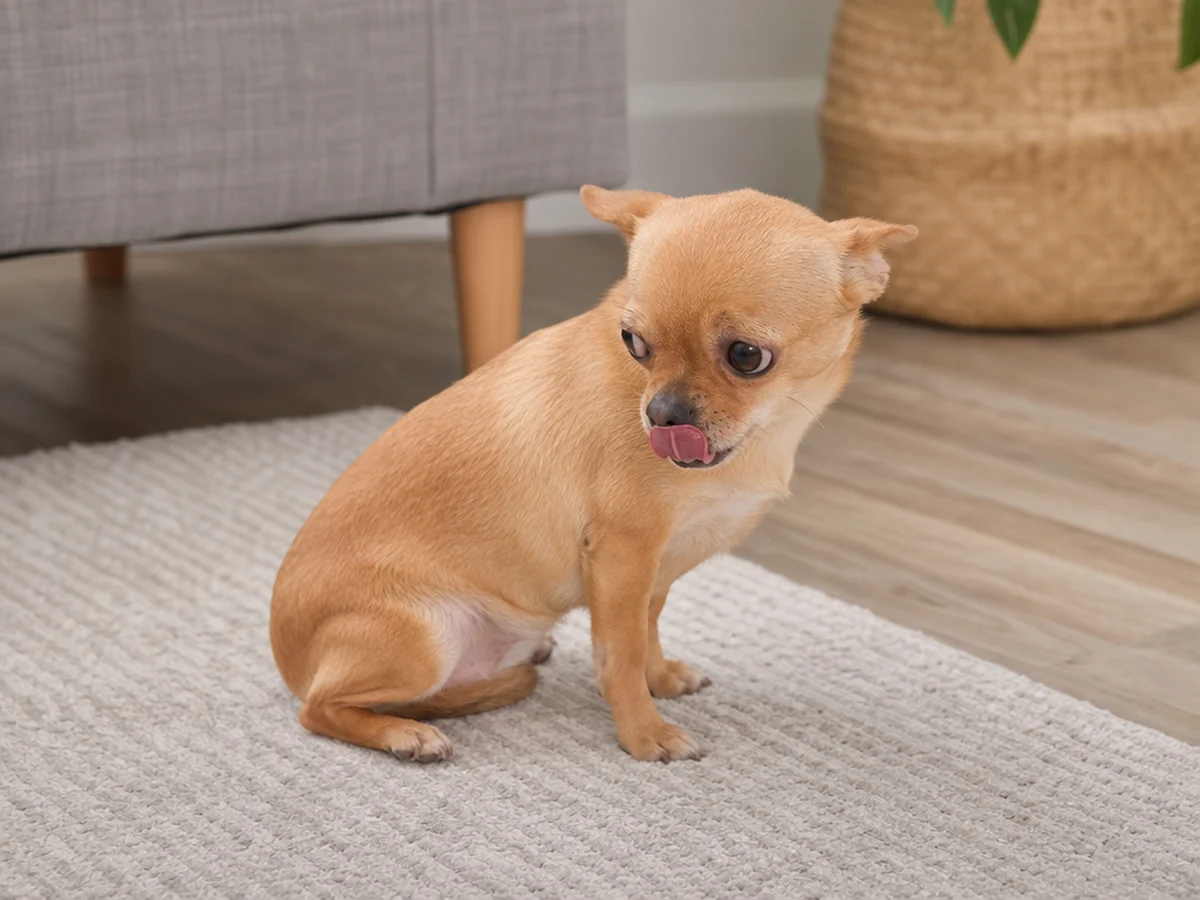
Signs Owners Describe
Do not judge by shaking alone. Look for these broader signs:
- Freezing, backing away or growling when a stranger leans over them or reaches in fast.
- Hiding or retreating, sometimes for an hour after a sudden noise such as a car or a hair dryer.
- Hours of panting and shaking in a thunderstorm, or fear of fireworks, loud places and even air freshener spray.
- Shutting down and refusing treats they normally take.
- Drooling in the car, often worse in stop-and-go traffic, and submissive urination when one particular person reaches for the leash.
Sorting Out the Shaking
Shaking needs its own if-then check, because one dog may shake from cold, fear, excitement, needing to go out, the minutes before meals and walks, and the vet's office. If warmth stops it, it was cold. If it starts before dinner or the leash, it is excitement. If it appears only with a trigger, it is fear. Some Chihuahuas rarely shake, and many shake less as they grow up or settle into a new home.
If a usually calm dog shakes with no trigger, call your vet, because a few owners found pain, an upset stomach or possible low blood sugar behind it. Regular vet visits belong in any plan for this breed, and handling training for exams helps those visits go calmly.
Why Punishment Deepens Chihuahua Fear Behavior
A study of small dogs, meaning those under 44 pounds, found them more fearful and anxious than larger dogs, including around thunder, fireworks and strange situations. They were also more excitable and more reactive toward guests, strangers and other dogs. It covers small dogs in general rather than Chihuahuas alone, so take it as a direction for your dog, not a verdict.
The finding that matters most for training is what happened when owners answered fear with punishment. The fear got worse, and more so in small dogs. The logic is easy to follow. A frightened dog who meets a harsh response learns that both the trigger and the person beside them are unpredictable, so the next defense gets louder or the dog withdraws further.
Yappiness is not an inborn trait of small dogs, and they can be as friendly as larger ones when socialized and trained kindly. Use a simple test: if your reaction makes the next reaction bigger, the fear grew. A little dog who trusts you to step in at the first sign of distress becomes more confident around other dogs, so spend your effort building that trust.
Letting Your Chihuahua Take Distance to Change Behavior
Distance is the cheapest tool you own. Letting a stressed small dog take space helps them regroup and feel secure, and the confidence that builds keeps barking and lunging from escalating to snapping. We have trained this breed for many years, and the pattern holds: every trigger has a line beyond which your Chihuahua can still notice it, take a treat and think. Inside the line nothing you say lands, and outside it learning happens.
Find the Line
If your dog takes a treat softly and glances back at you, you are outside the line. If they stare, freeze, stop eating or ignore even high-value food, you are inside it, so back up until they eat again. Use distance in daily life too: walk at quiet hours, turn away, or take the dog out of the situation. A well-socialized dog need not greet every dog, so practice looking to you while a bigger dog passes.
Pay Before the Reaction
Timing decides whether food works. Owners who reduced barking and lunging on walks got the dog's attention the moment a trigger appeared, using an eye-contact cue such as look or the Look at That game, and paid at once. Others paid only for passing quietly. Owners who waited until the dog was already worked up found the treats ignored, or eaten in the middle of a bark.
When You Cannot Step Away
If a large dog closes in and there is no room to back up, picking up can keep a small dog safe. It can also raise arousal when another dog is fixated and close, risk a redirected bite if your dog is already reacting, and leave their feelings untouched. Put lifting on a cue, and teach a cued hop onto something tall, as covered in our guide to picking up a Chihuahua.
Expect Gradual Progress
Owners describe starting in the house, moving to quiet places, then working near triggers. Improvement took about a month for some dogs, a few months for others, and years of daily reinforcement for abused rescues. Aim for less barking and faster recovery, not silence. A quiet cue taught after the alert fits this breed better than trying to stop alerting.
Does Rewarding a Scared Chihuahua Reinforce Fear?
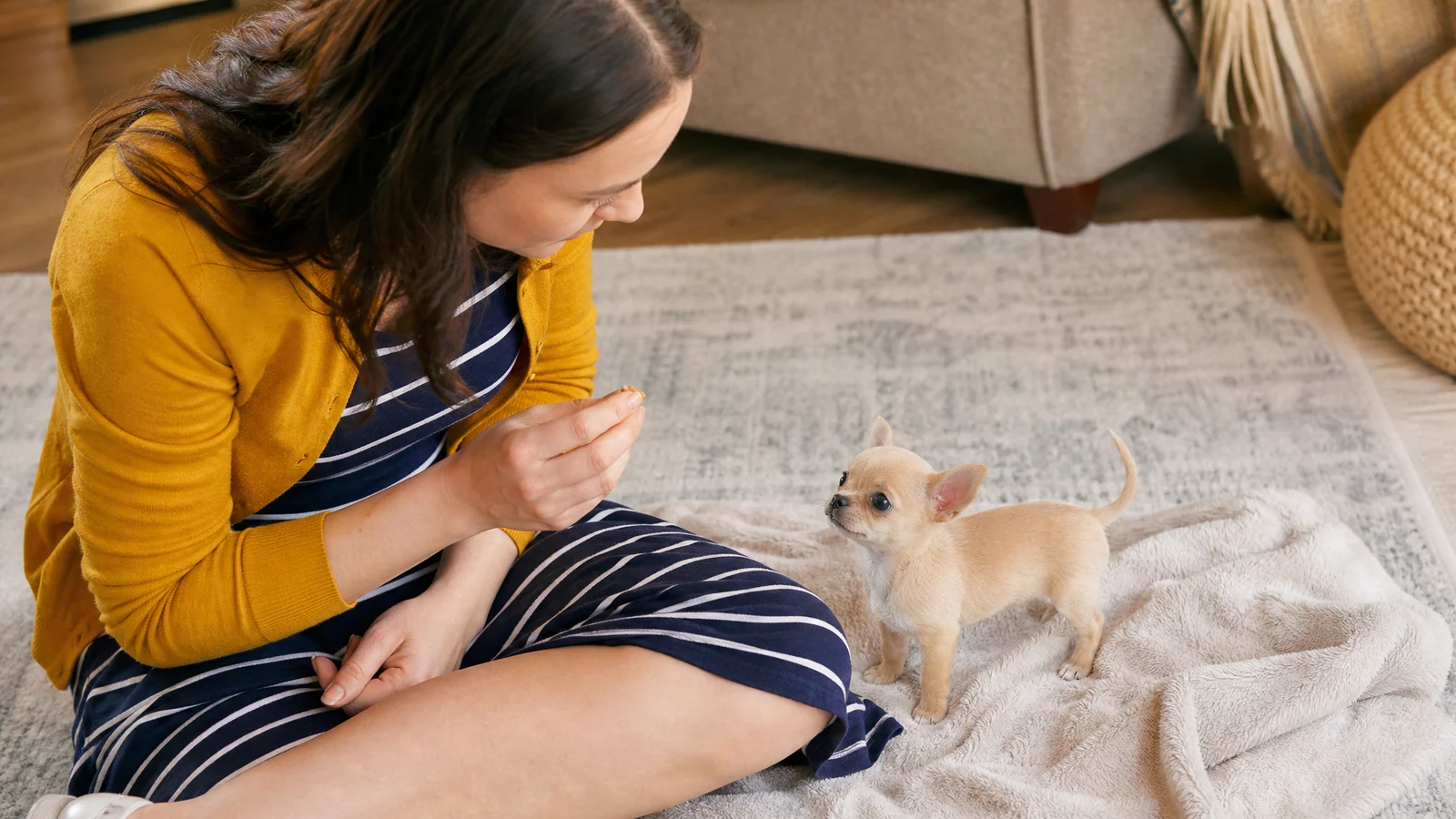
No, when the treat lands at the right moment. A treat handed over mid-bark can pay the bark. A treat that appears as a trigger comes into view, from a distance where your dog is still calm, pays calm and teaches that the trigger predicts food. That is desensitization and counter-conditioning, the standard approach for fearful dogs. It works, but only at the pace your dog sets.
Comfort follows the same logic. A calm voice, a step away from the trigger and a lap if they want one do not build fear. Shaking is where to look closely. Some owners describe shaking that earns attention or treats, such as quaking when a treat is refused, looking pathetic until fed or held, or trembling when another dog is petted. Owners sometimes suspect that repeated attention can turn this response into a learned habit.
If the trigger is real, such as a storm or a stranger, move away and reward calm. If the shaking appears when you say no or pet someone else, stay neutral and reward the moment it stops. Management protects the training, so while you work, keep your dog away from anything past their line.
Chihuahua Fear Around Noise and Sudden Change
Noise and unfamiliar people are common triggers for Chihuahuas, and both respond to the same recipe: make the trigger weak enough that your dog can eat through it, then strengthen it slowly. Many owners describe strong fear of storms and fireworks, and wariness with people their dog does not know. Work on calm days with a recording you control, never in the middle of a real storm.
Thunder and Fireworks
Stop at the first sign of tension. Work through these steps only while your dog stays loose:
- Play the recording so quietly your dog barely notices, while they eat or play.
- Start treats when the sound starts and stop them when it stops, so the sound predicts food.
- Increase the sound by one small step only after your dog continues eating with a loose body.
- If they become scared or stressed, stay calm, stop the sounds immediately and start lower next time.
- End the session before your dog shows tension or loses interest in food.
Never keep the feared sound running at full volume hoping your dog will get used to it. Continual exposure to the noise is likely to terrify them and deepen the fear. If fear of storms or fireworks feels unmanageable, speak to your vet about a referral to a veterinary behaviorist, because medication plus behavior modification may be needed.
This is general information, not medical advice. Ask your veterinarian about fear that is severe, new or hard to explain, and before starting any plan that involves medication.
How Early Fear Periods Shape a Chihuahua's Behavior
The first three months of life can influence a puppy's view of the world for good, and socialization in the strict sense means work with dogs under 20 weeks. Small breeds tend to miss out, because people assume a tiny puppy needs less of it and shelter them from new dogs, people and places. Little dogs get less training, socialization and activity than big dogs, so a sheltered Chihuahua often meets the world as a fearful adult.
Timing Outings Around Vaccines
The timing has a tension. The breed club says puppies should stay close to home until every required puppy shot is given, yet the early window keeps closing. Resolve it by starting at home with people, sounds, surfaces and gentle handling, and plan outings around your vet's vaccination advice. When you do go out, choose quiet times, walk the outer edge of crowds and keep the puppy out of rough play, where a small body can be overwhelmed or trampled.
Safe Spots and Backing Up
Give the puppy covered retreat options, including a fabric hide or a chair draped on three sides, and make sure the small one is not the one cornering a bigger puppy. Early work improves the odds but guarantees nothing. Some owners who played recorded noises at mealtimes and carried the puppy everywhere before vaccinations still had a nervous puppy at 16 weeks. If a puppy starts to shut down, stop and return to the last place they felt confident.
If the Window Already Closed
An adult who missed this period is not lost. Pairing triggers with rewards can reduce barking and lunging in small dogs who were not socialized as puppies, and the rest of this article is that plan.
Your Chihuahua's Calm Starts With One Reward Today
A watchful small dog recovers when they learn that the thing they watch for predicts something good. Today, choose the mildest trigger on your list, the one that makes your Chihuahua look but not react, such as a distant person on the sidewalk, a quiet recording of a noise or a visitor sitting across the room.
Stand at the distance where your dog stays relaxed, with a soft body and a willingness to take food. Give a treat as they notice the trigger, and finish that repetition before their body tightens. If they stop eating or stare, you were too close, so add distance tomorrow.
Small steps repeated daily are what work for this breed. Expect a dog who still sounds the alarm but recovers faster, because the aim is a calmer Chihuahua, not a silent one. Repeat tomorrow, move closer by tiny steps only when your dog stays loose, and keep regular vet visits on the calendar to rule out physical causes.
 Training basicsChihuahua Behavior and Temperament: Are Chihuahuas Easy to Train?
 Barking for attentionHow to Stop a Chihuahua From Barking
 PuppyChihuahua Puppy Training Timeline: 8 Weeks to 2 Years