 Chihuahua
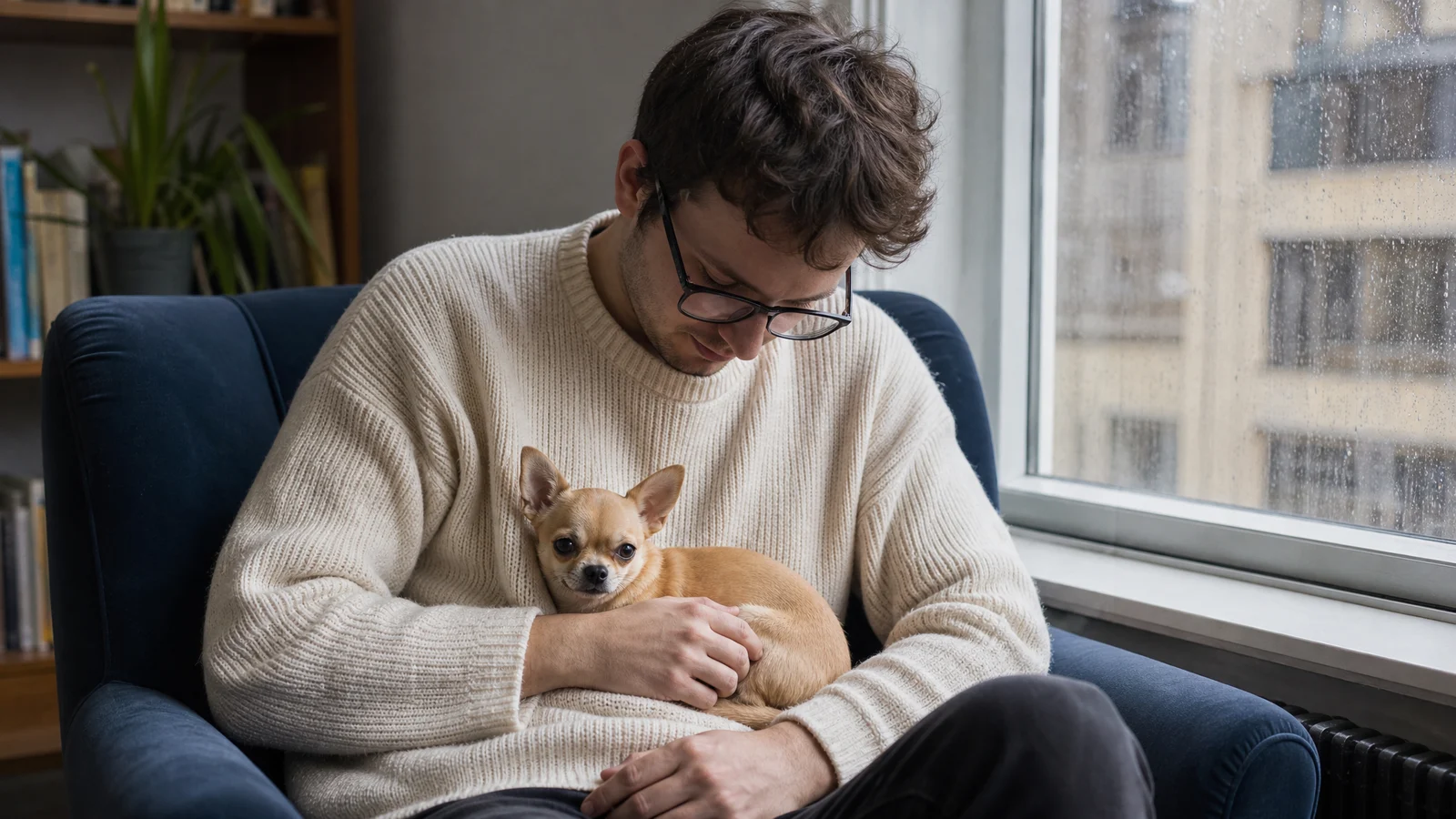
A Chihuahua bolts to the door barking before the bell has finished, ignores a cue they nailed yesterday, then melts into a lap as if nothing happened. Owners describe this swing daily, and many wonder whether they live with a stubborn dog, a clever one or a moody one.
Underneath, it is mostly the breed profile. A loud alarm, a big opinion and a devoted heart arrive in one package, and telling breed-typical behavior from a true training problem decides whether you coach your dog or argue with their wiring for years. We specialize in Chihuahua behavior and training, and the owners who struggle most are the ones who expected silence or autopilot obedience.
Read on for how the written standard compares with the published ratings, where the terrier label helps and where it misleads, why big-dog drills fall flat, how puppies and adults differ, and what to expect from barking and unfamiliar people.
Training Standard Versus Breed Ratings
Read the written standards and you meet a swaggering extrovert. The illustrated breed standard wants an alert dog with terrier-like confidence who approaches dogs and people with interest, even impudence, and no sign of shyness or fright. The international standard adds quick, lively and very courageous.
Living rooms are less theatrical. The published ratings give trainability 3 of 5, barking 5 of 5, openness to strangers 2 of 5 and watchdog nature 4 of 5, with affection for family at 4 of 5. Together that describes a dog who is middling to teach, loud, reserved with outsiders and devoted at home.
| Trait | What the standards describe | What the ratings show |
|---|---|---|
| Meeting people | Confident approach, no shyness or fright | Openness to strangers 2 of 5, nearer the reserved end |
| Alertness | Quick, alert, lively, very courageous | Barking 5 of 5, watchdog nature 4 of 5 |
| Working with you | Independent streak, happy to please | Trainability 3 of 5, the middle of the scale |
Our verdict is that the gap is not a defect. A standard describes what a breeder aims for, a rating describes what households live with, and a reserved Chihuahua fails neither. The club's own wording, an independent streak but happy to please when asked, explains the middle score: these dogs cooperate when a request is clear and worth their while, and negotiate when it is not.
Use that as a sorting rule. Door barking, caution with visitors and a favorite person all sit inside the normal range, while biting or a dog who cannot recover from a scare needs more than a plan. Many owners describe dogs who are skeptical of new people yet very affectionate once comfortable, which is just what a 2 beside a 4 predicts.
Chihuahua Versus Toy Terrier Training
The standard's terrier-like wording tempts owners to train a Chihuahua like any feisty terrier-type toy. We think the comparison is half right, and the wrong half causes most of the grief. Taking the halves separately shows which instincts to trust.
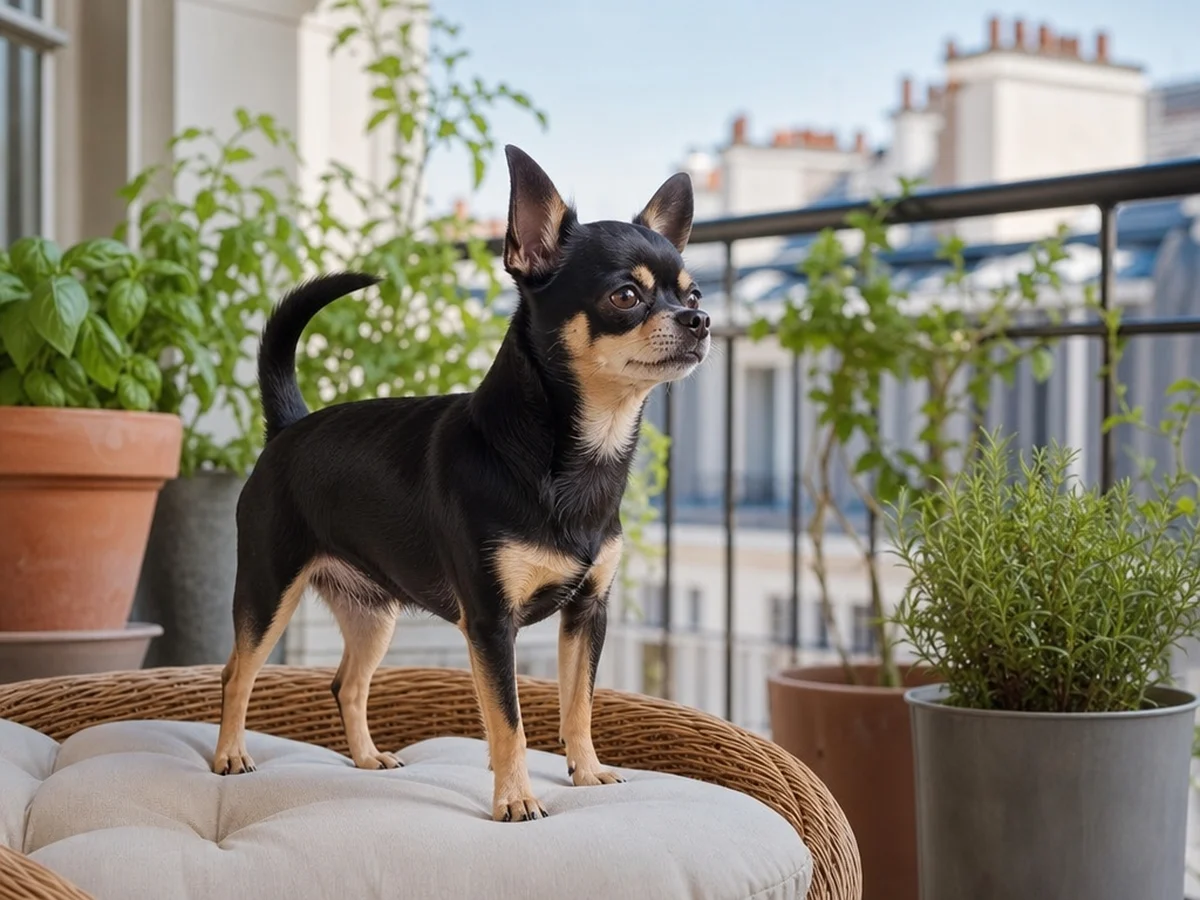
Where the Terrier Comparison Helps
The attitude is real. The UK Kennel Club calls the breed bold and saucy, and owners see a small dog who tries things a bigger dog would think twice about. Chihuahuas seem well aware of how cute they are and learn fast how to get their way, so expect them to test whether a rule is real.
Set the house rules you would set for a big dog from the first day, and never let a puppy do something that would be unacceptable in an adult. Growly, snorty, mouthy play is usually bluster rather than aggression, and a Chihuahua who means no makes it unmistakable.
Where the Comparison Misleads
Terrier talk says nothing about the companion side. Toy breeds are meant as small companions who love attention, and Chihuahuas rate 4 of 5 for affection with family. Many owners find a dog who shadows their person into the bathroom and howls at a shut door, while others report a dog who wanders off and is perfectly happy alone.
Under the swagger sits a sensitive animal. Owners describe dogs who hide for an hour after a hairdryer, pant and shake through storms, or trust one person and fear everyone else. Chihuahuas can also be very protective of their humans and take on more than they can handle, so a plan built on toughness misfires. Borrow the terrier label to predict attitude, then leave it out of your training plan.
Big-Dog Methods Versus Chihuahua Training
Common advice says to repeat a command until it sticks and to keep going whatever the dog's mood. Small dogs are dogs, not a separate species, so the learning principles hold. What changes is the handling, and for a tiny, sensitive dog we swap long repetition for short, generous, predictable sessions.
Short Sessions Over Long Drills
Progress comes from many tiny sessions rather than one long class. Mixed messages from different family members often make a dog look stubborn when they are simply confused, so agree on the words before you begin. A session that suits most households runs like this:
- Pick one cue and teach only that, in a quiet room, with crumb-sized treats the dog can gulp instantly.
- Say your chosen marker word the moment the dog does what you asked, then hand over the treat right after, so they connect the reward with that exact behavior.
- Stop after a handful of repetitions while interest is still high, so the dog leaves wanting more.
- Come back later in another room, with everyone at home using the same word.
Consistency Over Cuteness
In an owner-survey study of small dogs in general, the more consistent the owners were, the more obedient their dogs, whatever the size. Small-dog owners were less consistent than big-dog owners and spent less time on shared activities such as training and play, and dogs who shared more of those activities were more obedient.
That undercuts the idea that a tiny dog needs less training because the stakes are lower. Small dogs tend to get less training time, and untrained dogs are more likely to develop behavior problems. If any dog will be indulged for being adorable, it is this one, which is why steady habits matter.
Rewards for a Sensitive Dog
Treats, praise, play and calm management let a worried dog learn without adding to the worry. In that same study, dogs punished more often were more anxious and quarrelsome, and the effect was greater in smaller dogs. Mild consequences such as ending a game are fine, but some owners report that time-outs did not stop snapping. Some dogs got more wound up, and others came to dislike their kennel.
If snapping happens over a resting place, pay the dog to move. A small piece of food for hopping off the sofa gives them a reason to choose it, and it keeps the moment calm for both of you. If training stalls, look for an experienced trainer who uses positive reinforcement.
Puppy Versus Adult Training
A puppy and an adult Chihuahua are different students. The puppy has a short attention span and no history, while the adult has longer focus and settled opinions about how the house works. The trap with the young one is treating cuteness as permission.
What a Puppy Can Take In
Begin the day your puppy comes home, with the rules you would set for a big dog. Keep lessons very brief, pay generously and let play count as training. Gentle, positive introductions to people, sounds and places matter early.
Early exposure does not guarantee a brave dog, though. Some owners of nervous puppies find the fears linger despite careful work, a reminder that temperament varies and patience belongs in the plan. Car anxiety, which shows up as drooling, sometimes fades after puppyhood.
What an Adult Needs
Adults can work longer and take on bigger tasks such as settling on a mat or waiting at a door, but they still need clear, rewarded practice rather than assumptions. Barking shifts with age too. Owners describe females who found their voice at adolescence, older dogs who leave the noise to younger housemates, and clinginess that eases in old age.
Retraining an Old Habit
For a practiced habit, change one thing at a time. Pair the trigger with rewards, build a replacement behavior such as going to a mat, and expect it to take months. Owners of reactive dogs describe a few months of steady work, and sometimes years of maturing, before things settled.
Rescues who arrive shut down can take weeks to a year to open up, so slow progress is not failure. Behavior can also worsen after a change such as a new puppy or more visitors, and the answer is to drop back to easier steps.
Training Around Barking and Strangers
Noise and unfamiliar people are the two daily trouble spots, and both come with the breed. Barking is rated 5 of 5, and Chihuahuas are described as inclined to bark at strangers or unexpected noise. Some training helps, but expect frequent barking regardless, so aim for less barking and faster recovery rather than silence.
Teach Quiet After the Alert
The alarm bark has a job. A longtime judge notes it makes them desirable as watch dogs, and owners describe a wide range, from dogs who sound off at almost anything, even a doorbell on TV, to a quiet minority who bark only at a knock. Some owners welcome the alert.
Our reading is that a quiet cue after the alert fits the breed better than trying to erase the alert. Yappiness is not an intrinsic small-dog trait, so the effort is not wasted, and our guide to stopping a Chihuahua from barking goes deeper. The core sequence is short:
- Let the dog announce the visitor, then thank them calmly.
- Wait for the first pause in the barking, however brief.
- Mark that pause and pay it with a treat.
- Add a cue word only once the pause shows up reliably.
Walks Versus the Home Patch
The two settings often split. Many owners, especially of rescues, describe a dog who is sweet at home but barks, lunges and growls at passers-by and other dogs, sometimes set off by oddly specific things such as eye contact, hoods, wheels, scooters, wheelchairs or yard decorations. Many others report the reverse: a dog who is quiet or even sociable on walks and saves the barking for the door, the yard or people in front of the house.
Treat walk barking as a confidence problem as well as a noise problem. Let the dog take distance, walk at quiet hours and get their attention before they react, paying a calm look with a treat. Owners say their own state matters too, because tensing up feeds the barking while a calm, cheerful voice helps. If lunging edges toward snapping, see our guide to the aggressive Chihuahua.
Wary Dogs and New People
What owners credit with winning over a wary dog is gradual exposure paired with food: people-watching from a distance with a lick mat, daily walks, treats and patience. Owners also let a newcomer come out of the crate when ready rather than pulling them out. Let your dog approach new people at their own pace instead of being passed around, and read our guide to the scared or nervous Chihuahua if fear runs deep.
Chihuahuas can be defenseless with young children and large dogs, and the breed rates 1 of 5 for young children, so supervise and give them an exit. Our guide to socializing a Chihuahua covers introductions in detail.
Chihuahua Training Gains and Red Flags
A Chihuahua pairs a big personality with a small, sensitive body, so the training that works is short, rewarded, consistent and aimed at confidence. Your goal is a calmer dog who recovers quickly, not a silent dog who never reacts. Expect the personality to stay, and spend your effort on the recovery.
Regular veterinary checkups matter here, because pain or an upset stomach can show up first as snapping, shaking or an abrupt personality shift in a normally calm dog. If progress stalls, an experienced trainer who uses positive reinforcement can often see what you cannot. This table sets the signs of progress beside the signs to bring in help.
| Signs the training is working | Signs to bring in a vet, trainer or behaviorist |
|---|---|
| Barks at the door, then settles soon after your cue | Barking, lunging or snapping that worsens despite steady, rewarded practice |
| Recovers faster from a scare and takes treats near a trigger | Hiding, shaking or shutting down for long stretches after ordinary noises |
| Looks to you on walks before reacting | New snapping or new fear appearing abruptly in a calm dog |
| Approaches new people on their own terms and warms up sooner | Snapping or biting around handling, food or resting spots that grows instead of fading |
| Quiet, cooperative moments to reward are becoming more frequent | Panic, howling or distress whenever they are left alone |
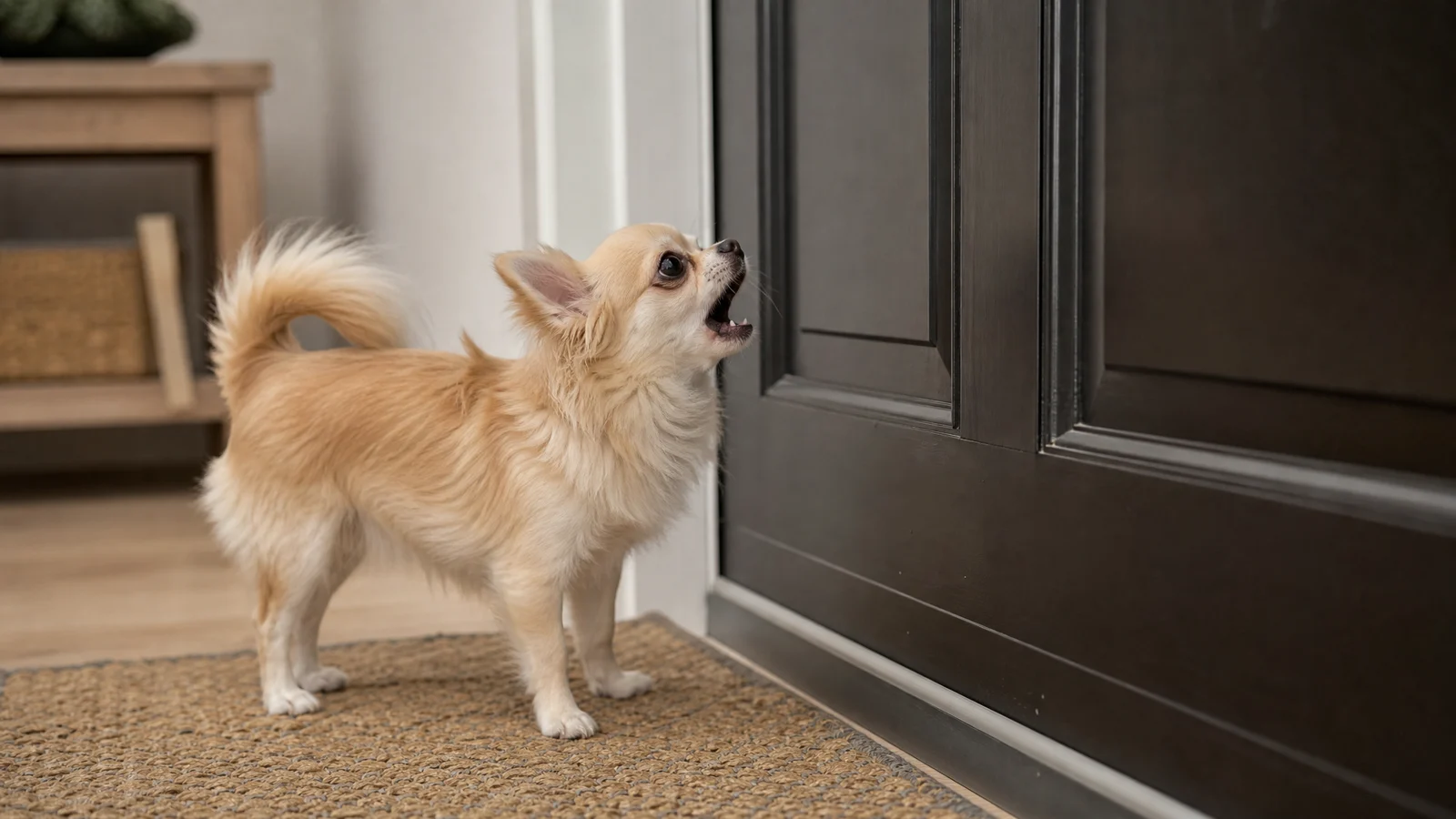 Barking for attentionHow to Stop a Chihuahua From Barking
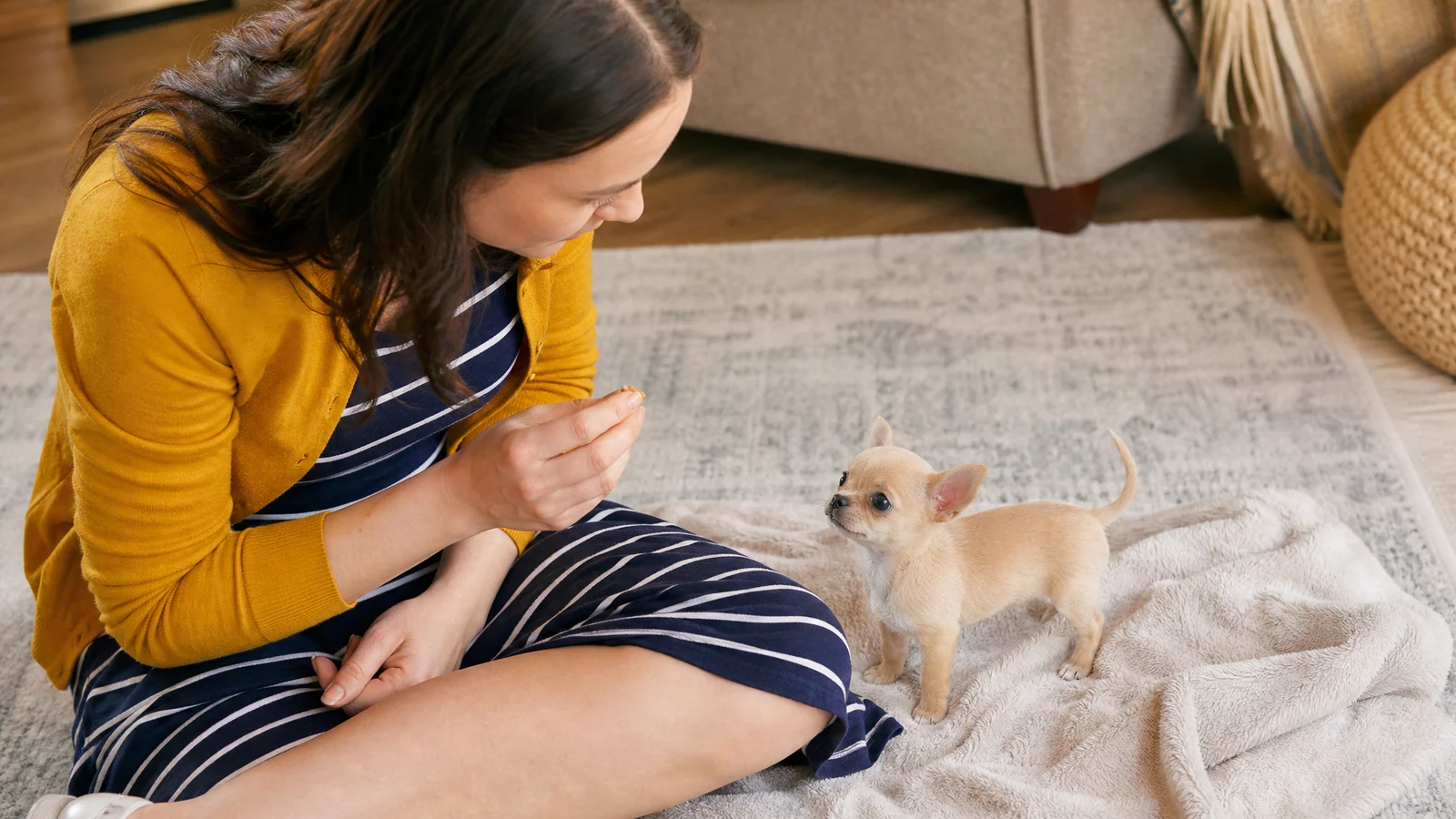 PuppyChihuahua Puppy Training Timeline: 8 Weeks to 2 Years
 Training basicsChihuahua Small Dog Syndrome: House Rules From Day One