 Chihuahua
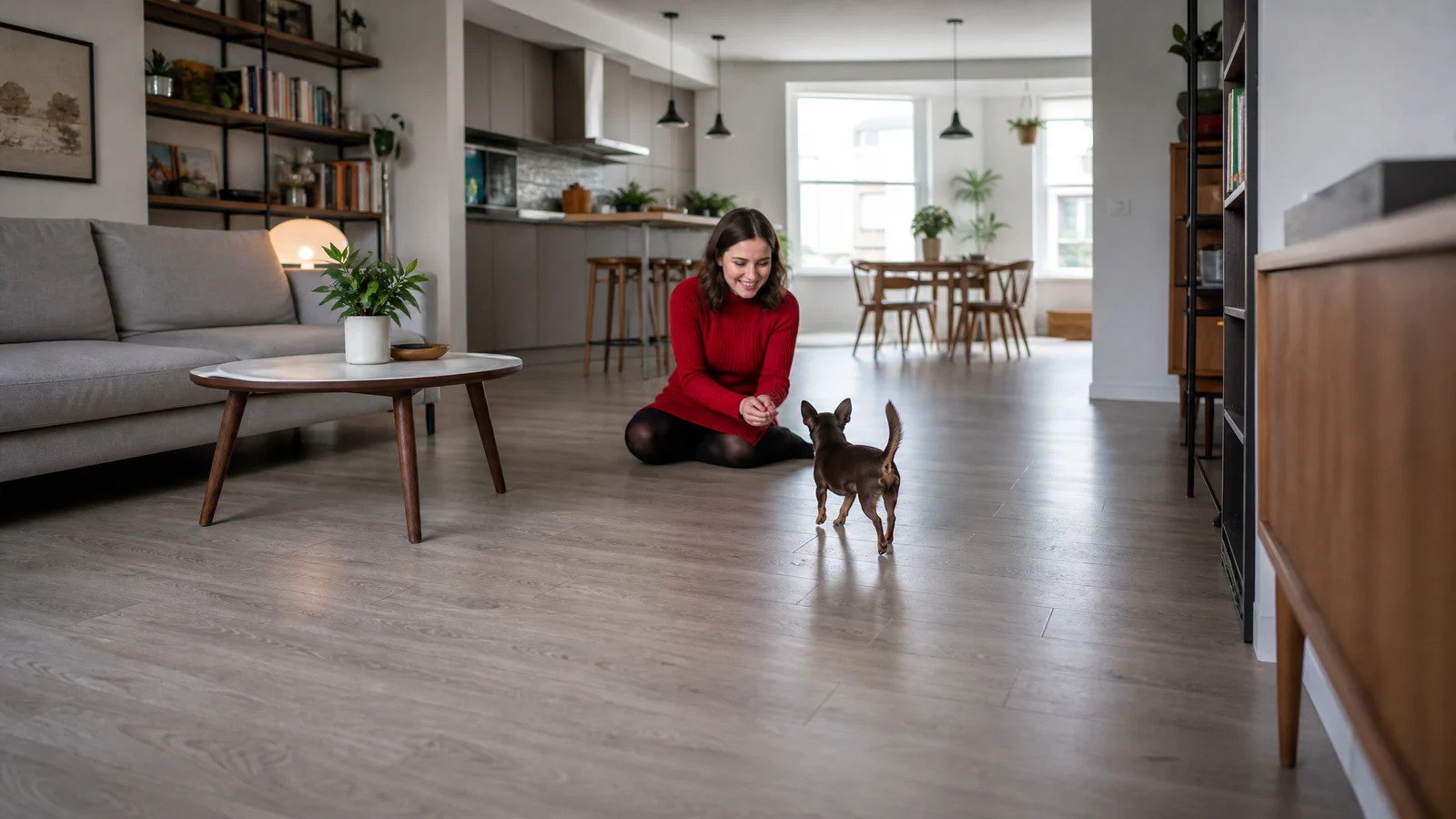
The usual advice is to expose a small dog to everything, early and often, but for a Chihuahua that advice falls short. A crowded party or a rowdy puppy playdate can teach fear faster than it teaches confidence.
Socialization carries more weight for this breed than for most, and small puppies are the ones most likely to miss it. Done well, it gives you a sassy, affectionate companion who greets visitors with interest instead of alarm. This guide covers socializing a Chihuahua, from the daily noise of your household to kids, strangers and other dogs, and down to a single greeting broken into seconds.
Socializing a Chihuahua Starts With the Household
Your home is the first classroom, and it is busier than it looks. Doorbells, vacuum cleaners, dropped pans, the mail carrier's footsteps and the clatter of a family at dinner all teach your Chihuahua what the world sounds like. Because they are so small, every one of those sounds arrives at floor level, where it can feel enormous.
Daily Noise and Visitors
This is a vocal breed who tends to bark at strangers and unexpected noise. Training can trim the barking, but expect plenty of it regardless, so aim for a dog who recovers quickly rather than one who stays silent. Pair each new sound or visitor with a tiny treat and keep the volume low at first.
That is why planned exposure matters more here than for many breeds. Early training and socialization is a must for Chihuahuas, yet small puppies often miss out, because people assume a lap dog needs less of it. Owners link that gap to trouble later, with puppies kept away from other dogs growing into adults who snap at them.
Timing, Shots and Safe Retreats
Timing takes some balance. The first three months shape how a puppy sees the world, and true socialization means work before about 20 weeks, yet puppies should stay close to home until their required shots are done. So start inside with people at the door, different floors and surfaces, household sounds and gentle handling, and plan outings around your vet's advice.
Build in a retreat the whole way through. A crate or pen set off the wall gives your dog somewhere to duck into when the room gets loud, and the steps in crate training a Chihuahua help make that space theirs. Owners report both cat-chasers and Chihuahuas who prefer cats to dogs, so if a new dog is joining a resident cat, keep them apart for two to three weeks before leashed meetings behind a baby gate.
This is general information, not medical advice. Ask your veterinarian when your puppy's vaccinations allow outings and meetings with unfamiliar dogs, and keep regular checkups on the calendar.
Kids Need Rules for Socializing a Chihuahua Because They Are Small
On the breed scale for family life, Chihuahuas score 1 of 5 with young children, and the reason is physical. They are too small for roughhousing, their bones are fine, and overly excited children can be dangerous for them. That turns the usual advice around: here the work protects the dog as much as it trains them.
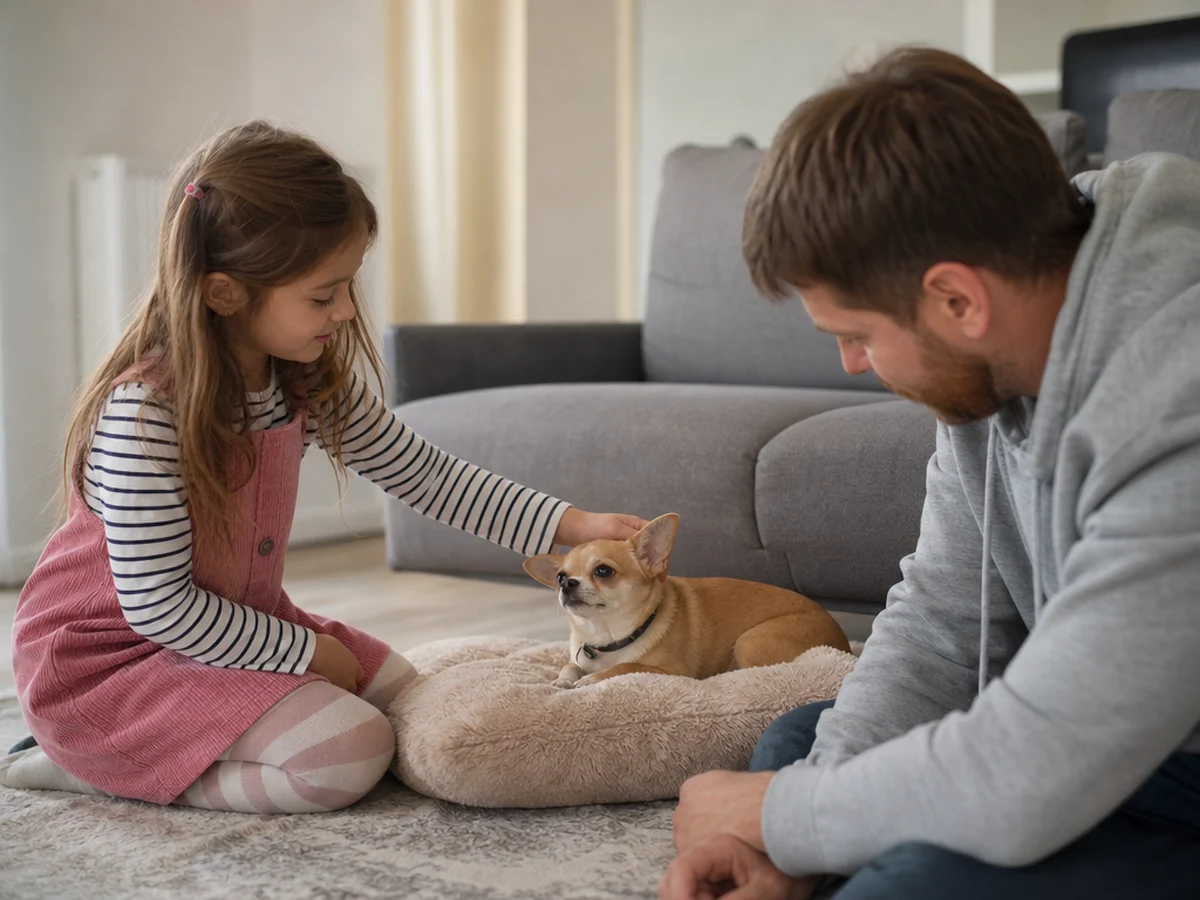
With their own adults the breed is affectionate, rated 4 of 5, so attachment is not the problem. Speed is. Owners who describe trouble name the same triggers again and again: toddlers running up, grabbing, rolling onto the dog and sudden shrieks. Many dogs are perfectly fine with older, calmer children.
Why Owners See Such Different Dogs
Owners split sharply. Some Chihuahuas seek children out and are gentle with them, while others are nervous, run away, or growl and snap. Owners of easygoing dogs often credit early, positive exposure, such as playground visits as a puppy or growing up beside a newborn and then a toddler. Owners of wary dogs often say theirs never met children young.
A few patterns are worth knowing. Some dogs accept their own or long-known children but nip unfamiliar ones, such as a neighbor's child or a visiting nephew. Owners of rescues link fear of children to rough handling in the past, and some dogs warm to a child over the years as the child grows past the toddler stage.
Across dogs generally, young children are bitten most, and the dog involved is more often the family's own than an unfamiliar one. A calm household is no reason to relax supervision.
Handling Rules Children Can Follow
Keep the rules simple enough for a child to remember. Sit on the floor, stay still, and let the dog decide whether to come over. Nobody carries the dog, hugs them, chases them or leans over their head, because being leaned over and surrounded is overwhelming for small dogs, and a drop from small arms is a real danger to a fine-boned body.
Adults do the lifting, and only after a spoken cue and with a treat afterward, so being held becomes pleasant. Our guide to picking up a Chihuahua walks through the cue. Offer your dog the choice whenever you safely can, since not every small dog enjoys being picked up. If your dog walks away, the game is over.
A Toddler Plan
A toddler cannot follow rules yet, so management does most of the work. Build the plan in this order:
- Set up a gated retreat the child cannot reach, with a bed and chews, and treat it as the dog's space every single day.
- Never corner or carry the dog, and let them leave whenever they want. An adult can cue them up onto a couch or into the retreat instead of scooping them.
- Teach the child to sit still and toss a treat toward the dog, then stay seated while the dog eats, so the child becomes a source of good things without a grab.
- Keep an adult watching every time, close enough to step in, and never leave a child alone with the dog.
- End each session early, while your Chihuahua is still relaxed, and stop sooner if you see signs of worry.
Many owners manage contact rather than force it, keeping the dog away or leashed when children visit and letting only gentle, taught children meet them. That patience is what makes a good relationship possible later.
Meeting Strangers on the Chihuahua's Terms
A rating of 2 of 5 for openness to strangers says what many owners already know: Chihuahuas are rarely everyone's best friend. Owners describe dogs who are skeptical of new people, growl at visitors, or are wary of men, and some rescues freeze until they find one safe person. Yet the ideal for the breed is a dog who approaches people with confidence and interest, so your job is to build that confidence, not demand a performance.
Let your dog make the approach. If you are unsure how they will react, copy what show judges are asked to do: approach straightforwardly, avoid very quick movements, and offer the back of the hand rather than reaching over the head. Give your visitors a short script before the doorbell rings:
- Sit on the floor or a chair and let the dog come over, without reaching or leaning down.
- Toss treats on the floor near the dog from a relaxed distance rather than holding them out.
- Pet only when the dog walks up and asks, and stop the moment they step away.
- Skip picking the dog up, since being lifted by strangers can frighten small dogs and risks a drop.
- Keep the visit short and positive, and end while your dog is still doing well.
Resist the urge to scoop your dog away from every stranger. Picking up is a tool, not a fix, because it does nothing about how your dog feels, and the motion can even add to their excitement. If someone is too close, step back and reward your dog for looking at you.
Choosing Dogs for Chihuahua Playdates
Other dogs deserve a careful guest list, because a tiny puppy is often the smallest in the room and at higher risk of being overwhelmed, scared or trampled. Sheltering a toy breed from other dogs backfires, since they need the same socialization as any dog.
Picking the Right Partner
Start with calm, healthy, vaccinated dogs close to your dog's size, and skip the dog park for now. Puppy classes run by a trainer who uses positive reinforcement are a good first stage, especially when small puppies get size-matched playmates or a break when things turn rowdy. Some owners report Chihuahuas who pick fights with far bigger dogs rather than fearing them, so check that your small dog is not the one cornering a larger puppy.
Keep first meetings short. Walk side by side on leash at a comfortable distance, let the dogs sniff briefly, then call your dog away and reward. A well-socialized dog does not need to greet every dog, so also practice focusing on you at a safe distance while others pass.
Adding a Second Dog at Home
Owners who add a second Chihuahua describe jealousy over laps, beds, toys and attention at first, plus scuffles while the pair settle things. What worked for them was meeting on neutral ground while walking, a gate or separate room for a day to a week, food and toys put away, and both dogs kept off laps for the first weeks. Acceptance took anything from minutes to a year, so go at the slower dog's pace.
Owners with big dogs at home report close bonds after careful starts with gates and separate feeding. For a dog who missed early socializing, rewarding them whenever other dogs appear can ease the barking and lunging over time.
What Body Language Shows During Socializing
Small signals matter most with a small dog. Distress in a tiny dog is easy to laugh off as cute, but lip licking and turning away deserve the same attention as a growl or snap. When you answer those early signs, your dog learns you will step in, and a pup who trusts you to step in is much more confident around adult dogs.
Too much usually looks like freezing, trembling, a tucked tail, yawning, hiding behind your legs or refusing treats. Trembling alone is tricky, since Chihuahuas shiver from cold, excitement, needing to go out and fear, so read the whole dog and the setting. Flattened ears can be a greeting rather than fear, especially alongside a loose body and real interest.
When you see too much, calmly add distance, give your dog a moment, and try something easier. Back up to the last step where they felt confident and rebuild from there. Some dogs shut down instead of barking, and a quiet, still Chihuahua is not necessarily a comfortable one.
For why this breed can seem bold and rattled within the same minute, see our piece on Chihuahua temperament and trainability.
One Chihuahua Greeting Examined Second by Second
To see all of this at work, slow down one ordinary greeting with a friendly visitor sitting on the floor. It may take under a minute, but every moment tells you something about how your dog is coping.
- In the first seconds, your dog spots the visitor and may bark once or twice, which is normal for this vocal breed, and a few treats tossed by the visitor help them settle.
- Next comes the pause, when your dog stops a few feet away and studies the stranger, and your job is to wait without coaxing or reaching.
- Then your dog steps in to sniff the visitor's still hand, perhaps with ears flattened in greeting, while the visitor stays quiet and relaxed.
- If your dog leans in, the visitor may give a brief stroke and then take their hand away to see whether the dog asks for more.
- Finally your dog walks off to their bed or back to you, and you let them, because a retreat is a choice and not a failure.
Repeat this pattern across several weeks and the pause usually shortens while the sniff comes sooner. The retreat never needs to disappear. A dog who is free to leave is a dog who will keep coming back.
Socializing Progress and Professional Help
Progress shows up in small things. Your Chihuahua recovers faster after the doorbell, approaches a visitor on their own, takes treats near a child or another dog, and chooses to return after a retreat. Their body looks loose, with soft eyes and an easy wiggle, and they settle or go back to play after a pause. The barking may never vanish, but it should get shorter and easier to interrupt.
Expect steps forward and the occasional step back, and some dogs stay cautious in certain situations. Judge your dog across several settings, since behavior on leash and off leash can differ. Regular vet visits are worth keeping up too, so any change in behavior can be checked alongside your dog's general health.
Ask your vet for a referral to a qualified trainer or behavior professional who uses positive reinforcement if you notice any of these signs:
- Fear that stays the same or grows after weeks of gentle, rewarded practice.
- Snapping or biting at children, visitors or other dogs, especially without much warning.
- Shutting down, hiding for long stretches or refusing food around people.
- Lunging or barking you cannot interrupt with distance and treats.
- Behavior that turns worse abruptly after a stretch of steady progress.
Chihuahuas have a big personality in a fragile body, and that mix is exactly why socializing them well matters. Give that personality safe, gentle chances to learn the world is friendly, and protect that small body while they do.
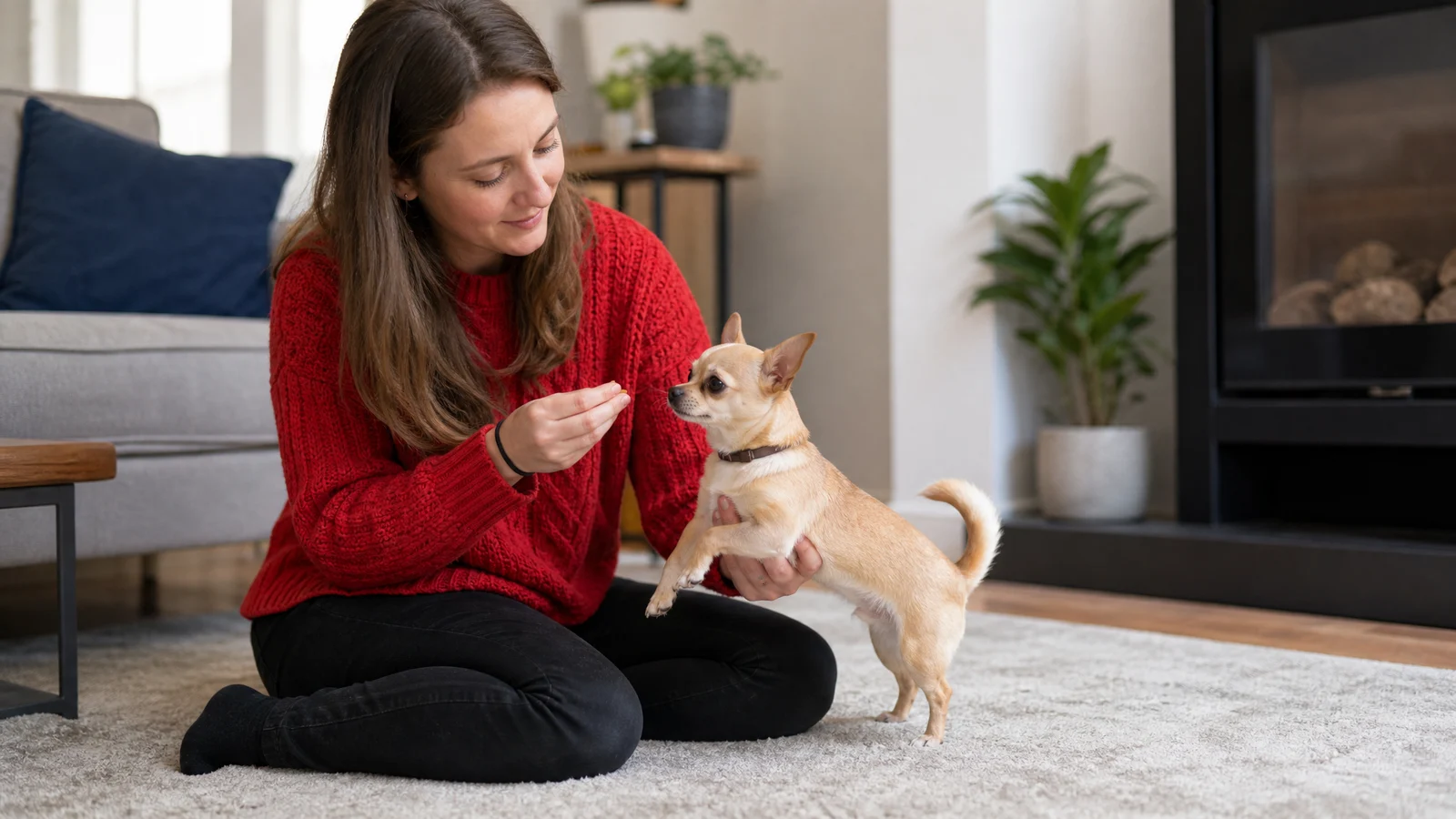 Hates being picked upChihuahuas That Yelp, Growl or Snap When Lifted
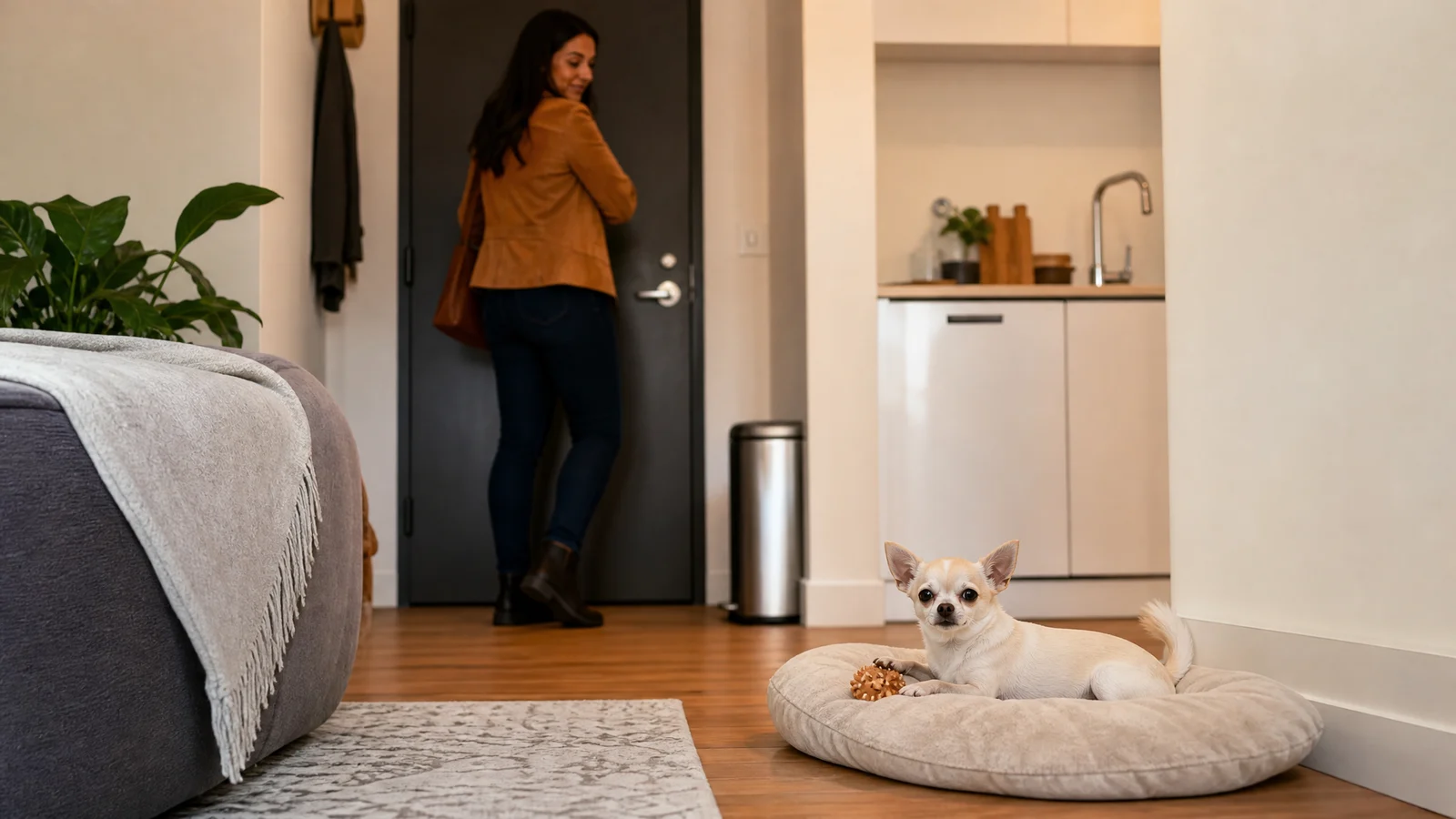 Time aloneChihuahua Separation Anxiety: Teaching Alone Time
 Guarding foodChihuahua Resource Guarding, Jealousy and Guarding Their Person