 Chihuahua
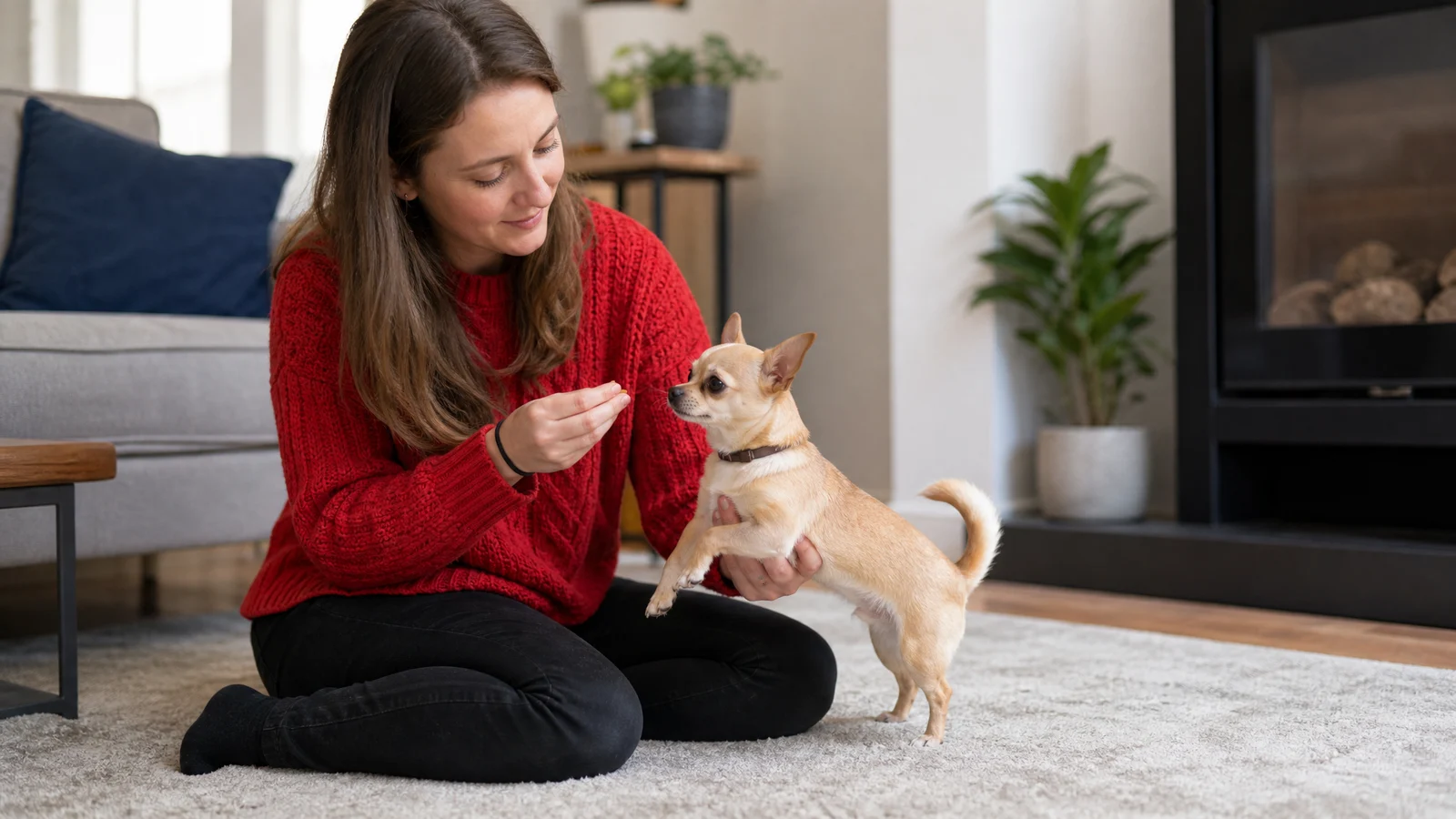
A Chihuahua may be easy to scoop up, but size does not make lifting neutral. Under the breed standard, a Chihuahua should meet people and other dogs "with confidence and interest, even impudence." Owners of Chihuahuas who yelp, growl or snap when lifted report something else. Their dog has learned that hands coming down from above predict trouble, and every lift repeats the lesson.
Behavior and training of this breed is our specialty, and the same story comes up again and again. A forced lift teaches a faster snap. A respected no teaches the dog that approaching hands are safe.
Below we cover the signals behind yelps, growls and snaps, then the tools that move your dog without lifting and rebuilds trust with treats and tiny steps. You will know what to stop, what to watch and how to practice.
Toolkit for a Chihuahua Who Hates Being Picked Up
Many owners keep lifting on the theory that the dog must get used to it. Repeated lifting does not teach tolerance. It rehearses fear and teaches the dog that quiet signals fail. The faster snap is learned, not inherited.
Lifting has a narrow use as a tool. It can pull a small dog away from a large one. It can also add arousal when the other dog is fixated and close, and a dog who is already reacting may twist and bite you mid-lift.
It can make a small dog look like a toy, which raises the odds of a bite. Some owners lift before another dog gets near and say it keeps their Chihuahua calm.
That is management, and the dog's feelings about other dogs still need work. Gradual consent is the plan that changes the feeling.
Moving Your Chihuahua Without Lifting
While you train, stop the unwanted lifts and move the dog by other means. This also ends the daily practice of the thing they fear.
- Teach "up" with front-paw targeting or a treat lure so the dog hops onto a low stool, bench or sofa step by choice, then add the cue word.
- Call the dog off furniture with a cue and toss a treat on the floor for the landing.
- Put ramps or steps at the sofa and the bed so the dog never needs a lift.
- Use a harness and leash for the car or a quick exit, and let the dog walk to you.
- Sit or crouch beside the dog instead of bending over them.
Rebuilding Trust in Tiny Steps
Begin with a hand on the chest or shoulder, since many dogs object to being touched on the face, on the paws, or by a hand that reaches over the head. A side approach also keeps your body from looming overhead.
Keep each session short and finish while the dog remains relaxed and interested. Let the dog take the treat from your hand, and let them walk away whenever they like. Each step ends with a treat.
- Sit beside the dog and hold the back of your hand low and to the side. When the dog sniffs or steps toward it, give a treat.
- Rest one finger on the chest or shoulder for a heartbeat, lift it away, then treat. See whether the dog leans back in for more.
- Rest both palms lightly on the sides, release, then treat.
- Slide one hand under the chest for support without lifting, release, then treat.
- Say your lift cue, raise the dog a tiny bit, lower them, then treat. Add height across many sessions.
- Say the cue, then hold your hands low and open and wait. The dog steps toward your hands before any lift happens.
The cue means the dog is never startled, and a treat afterward teaches that being held pays. A lean away at any step is a no. Honor it by stopping and dropping back one step in the next session.
When Signals Say a Chihuahua Hates Being Picked Up
Many owners say that "no," "leave it" and time-outs did not stop the snapping. Time-outs wound some dogs up further, and a kennel used as a time-out left others with a bad feeling about the kennel. None of it touched the cause, which is a dog who does not want hands on them.
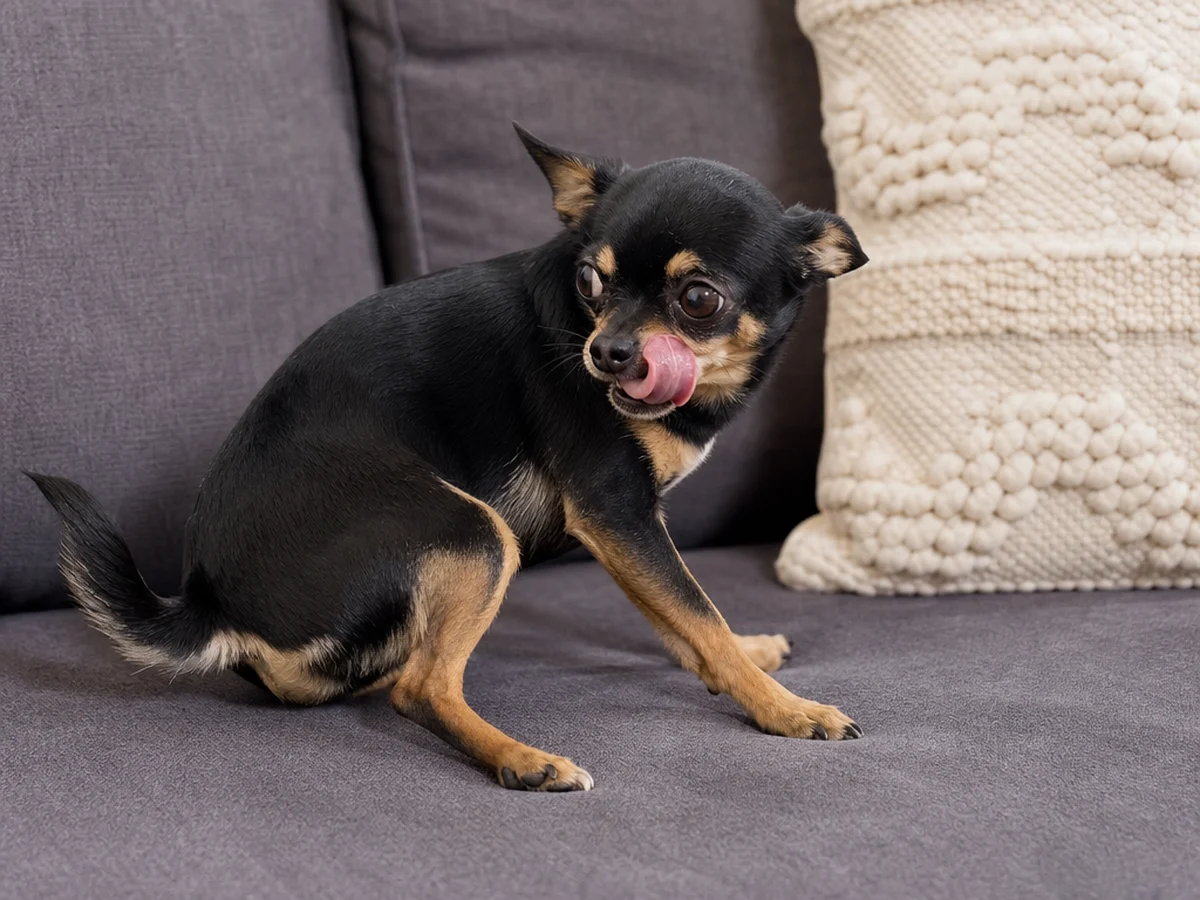
The belief says a growl is defiance and should be shut down. The evidence says a growl is the warning working. Dogs rarely bite without some warning, though that warning may arrive only a split second ahead of the bite.
Remove the growl and the fear stays while the notice disappears. The table runs from the quietest signal to the last, with a response that keeps the dog off the top rung.
| Signal | What the dog is saying | Your move |
|---|---|---|
| Leans away or walks off | No thanks | Let them go and lower your hands |
| Lip licking, head turned, whale eye | Getting uneasy | Stop and toss a treat on the floor |
| Stiff body, held breath, fixed stare | Near the limit | Back off and give room |
| Growl | Stop now | Freeze, step back and pay with distance |
| Snap | Last resort | Rebuild with the small steps below |
Read the whole body, not one part. Flattened ears are a greeting in this breed, so they tell you little alone. A tucked tail says more, since the standard calls it faulty because it signals the opposite of the required terrier-like temperament. Working rule: keep the growl. A dog who growls is still asking politely.
Pain May Explain Why a Chihuahua Hates Being Picked Up
Many Chihuahuas cry out before their feet leave the floor, the instant a hand slides under the belly. Owners often read that as attitude, a small dog protesting being told what to do. The facts point elsewhere.
Not every small dog enjoys being picked up. For some, it can feel disorienting, scary, uncomfortable or even painful. The breed is described as somewhat fragile, and toy breeds have finer bones, so a grip that feels gentle to you can still press on ribs.
Pain, fear and learned expectation fit a yelp far better than spite does. The lift hurts. The lift scares, because the floor vanishes with no warning.
Or the dog has already learned to expect one of those and cries out as the hands arrive. A yelp that starts while your hands are still moving is a forecast, not a protest.
The approach matters too. Leaning over a dog bothers most dogs, and smaller dogs feel it far more. Very quick, unexpected movements distress the breed even in the show ring, where judges are asked to approach straightforwardly and to offer the back of the hand when unsure.
Working rule: a yelp reports pain or fear, and your first job is to listen. Keep up regular vet visits, and go sooner when a yelp is new.
This is general information, not medical advice. A new or sudden yelp can point to pain, so check with your veterinarian before starting any training plan.
Household Safety if a Chihuahua Hates Being Picked Up
Owners sometimes shrug off a snap because teeth that small seem unable to do much. The bite can still land on you, especially when you lift a dog who is already reacting. The larger risk runs the other way.
A snap shows a dog at the limit, and a limit that is ignored turns into a bite on a hand, a child or a vet. Earlier signals are the safer place to intervene.
The physical risk falls mostly on the dog. Strangers who pick up a toy dog can frighten them and may drop them, and fine bones make a drop costlier than for a big dog.
Ask guests to greet from the floor and never to lift your Chihuahua. In public, keep your dog on a leash so you can move them out of harm's way without grabbing.
Rules for Children
Children need rules. Breed ratings give the Chihuahua 1 of 5 with young children, because the breed is too small for roughhousing. With their own adults the dog is affectionate at 4 of 5, so this is about speed and grabbing, not attachment.
Owners split sharply. Some dogs seek children out, and others run, growl or snap. The trigger owners name is fast movement, grabbing and noise, such as a toddler running up or rolling onto the dog.
Owners of dogs who are good with children often credit early, positive exposure. Owners of wary dogs often say the dog never met children young. Some dogs accept their own or long-known children but nip unfamiliar ones.
Owners manage contact instead of forcing it, keeping the dog away or leashed and letting only gentle, taught children meet them on the floor. If your dog also bites at the vet, our guide to calmer vet exams covers that setting.
Past Lifts Can Worsen a Chihuahua's Handling Fear
Owners of older dogs say the clinginess eased with age, so some expect the dislike of lifting to fade the same way. Owners describe the opposite path for handling.
A vet shot or a bad nail trim comes first, then baths turn into fights, and eventually the dog bites at being picked up at all. That sequence teaches the dog to predict trouble.
Each unpleasant event widens the circle of things the dog expects to hurt, and a highly intelligent breed learns that pattern fast. The next reach then carries the weight of every earlier one.
Rescues show the same hardening. Owners link biting at crating and at being handed over to past rough handling, including rough handling by children. Missed early work adds to it, because early training and socialization is a must for this breed.
A dog left alone with the fear gets better at avoiding hands, which looks like calm until the next reach. Waiting gives that avoidance more time to settle in.
Situations That Trigger Snaps
Some snaps come in one situation only: bedtime when tired, being moved off the sofa, being touched in a favorite spot. Those are the easiest to prevent.
Many owners find that a dog who snaps when moved will hop off the sofa for a piece of kibble and then accept handling. That choice prevents a confrontation and still gets the dog moving.
Move the dog by invitation, and our guide to house rules for small dogs covers the sofa and doorway habits that go with it. The goal is cooperation before contact.
Owners also read nail and bath panic as fear, because the dog turns affectionate the moment it ends. Our guide to positive nail and bath handling applies the same tiny-step logic. Practice rule: waiting does not fix it. Careful practice does.
Scolding Hides a Chihuahua's Warnings
A dog who snaps and gets yelled at usually snaps again at the next reach, only sooner. Owners reach for scolding because it feels like teaching manners. It teaches something else. The dog learns that the warning brings trouble, so the warning goes away and the fear stays.
Picking the dog up to end the moment has the same flaw. Lifting does nothing about the dog's feelings, so the behavior returns, and it can leave a small dog more stressed and less secure.
Veterinary behaviorists back reward-based methods for every behavior problem, and a bright Chihuahua quickly learns that a growl earns space and a calm moment earns food.
For a dog who has bitten a particular person, owners report a simple fix. Having the disliked person hand over all the food and treats won one Chihuahua over quickly, and months as the main caregiver rebuilt trust in another.
A calm interrupt, a pause in the game or a step back all fit. Safety rule: scolding trades a warning you can read for a bite you cannot.
A Hands-Off Reset for Chihuahua Handling Fear
For the next day, use the warning hierarchy as a stopping rule. Pause at the first lean away, freeze or growl, then note which approach caused it and which movement alternative worked.
The breed standard describes a dog with confidence and a touch of impudence, so a Chihuahua who is asked will often say yes where a dog who is grabbed says no. Consent lets that confidence support the training.
Start today with a full day of no lifts. Move your dog with cues, steps and ramps. When you want them near, sit down, hold the back of your hand low and wait.
A dog who steps toward your hand has said yes, and a treat tells them so. A dog who stays put or walks off has said no, and you honor it.
When your dog steps into your hands reliably, our guide to calm lifts on a cue covers the lift itself. Add that step only after the approach work is easy.
For today, stop lifting and reward your Chihuahua each time they come to your hands by choice. A dog who learns that approaching hands pay has no reason to yelp, and no need to growl or snap.
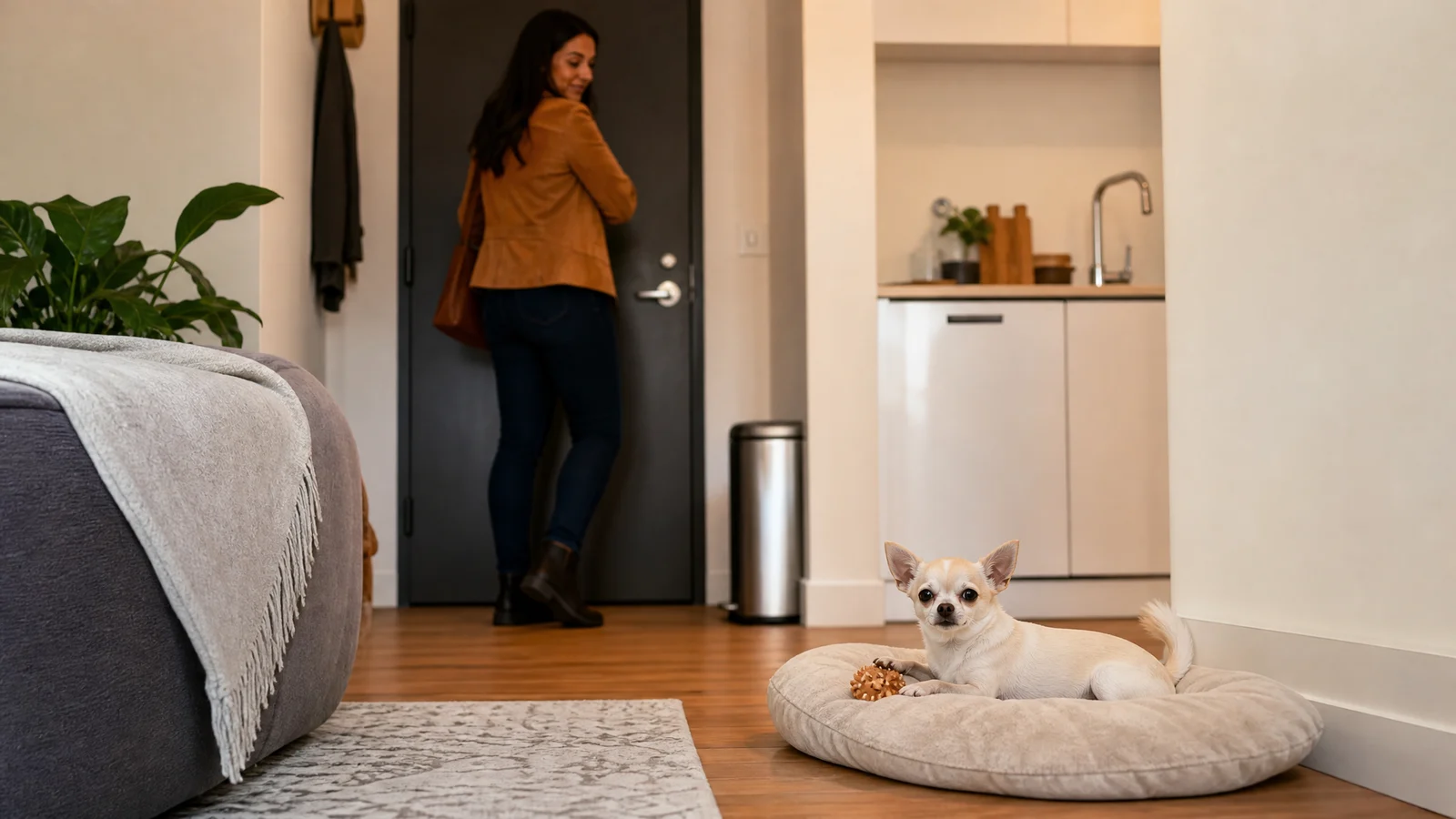 Time aloneChihuahua Separation Anxiety: Teaching Alone Time
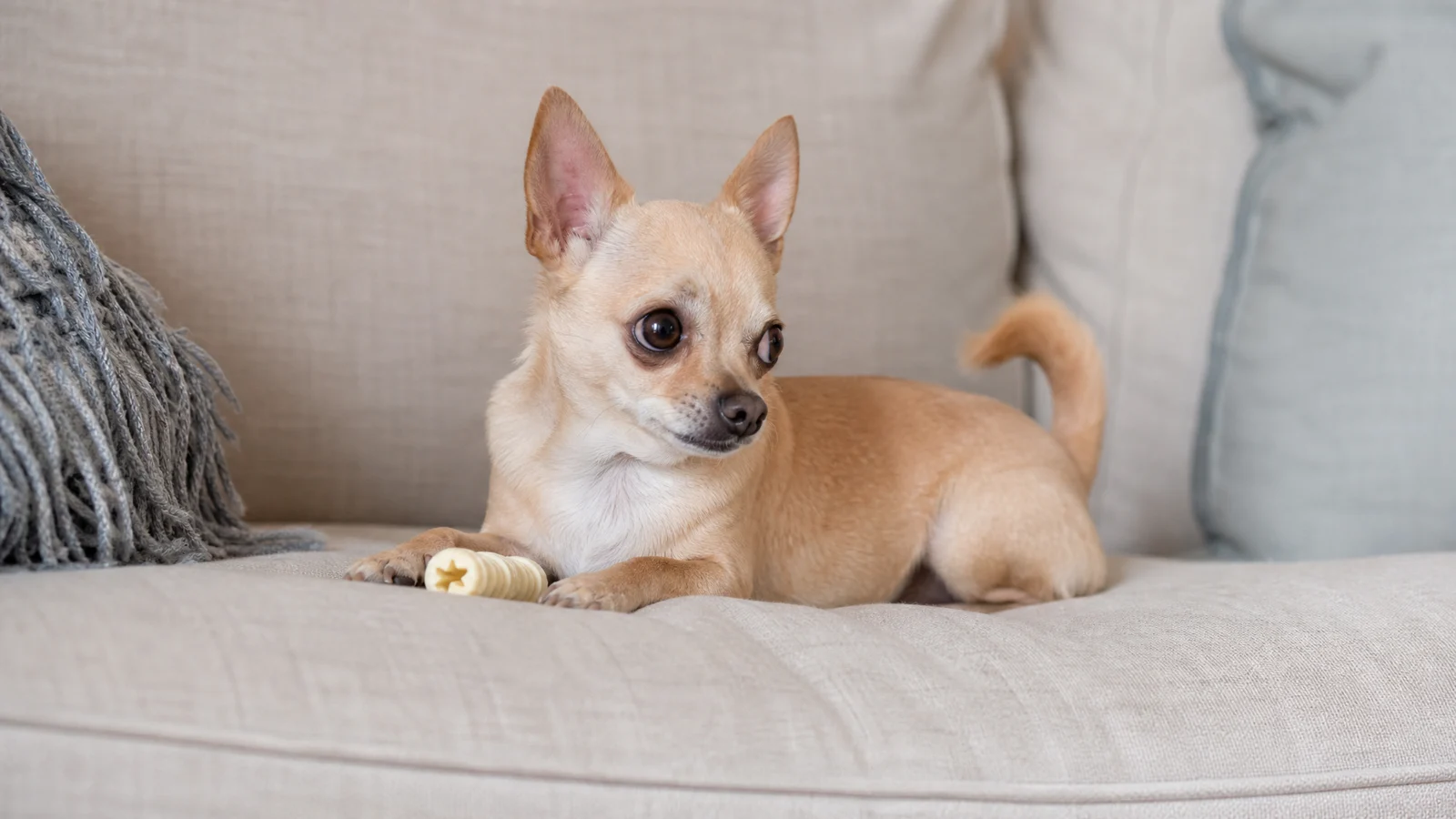 Guarding foodChihuahua Resource Guarding, Jealousy and Guarding Their Person
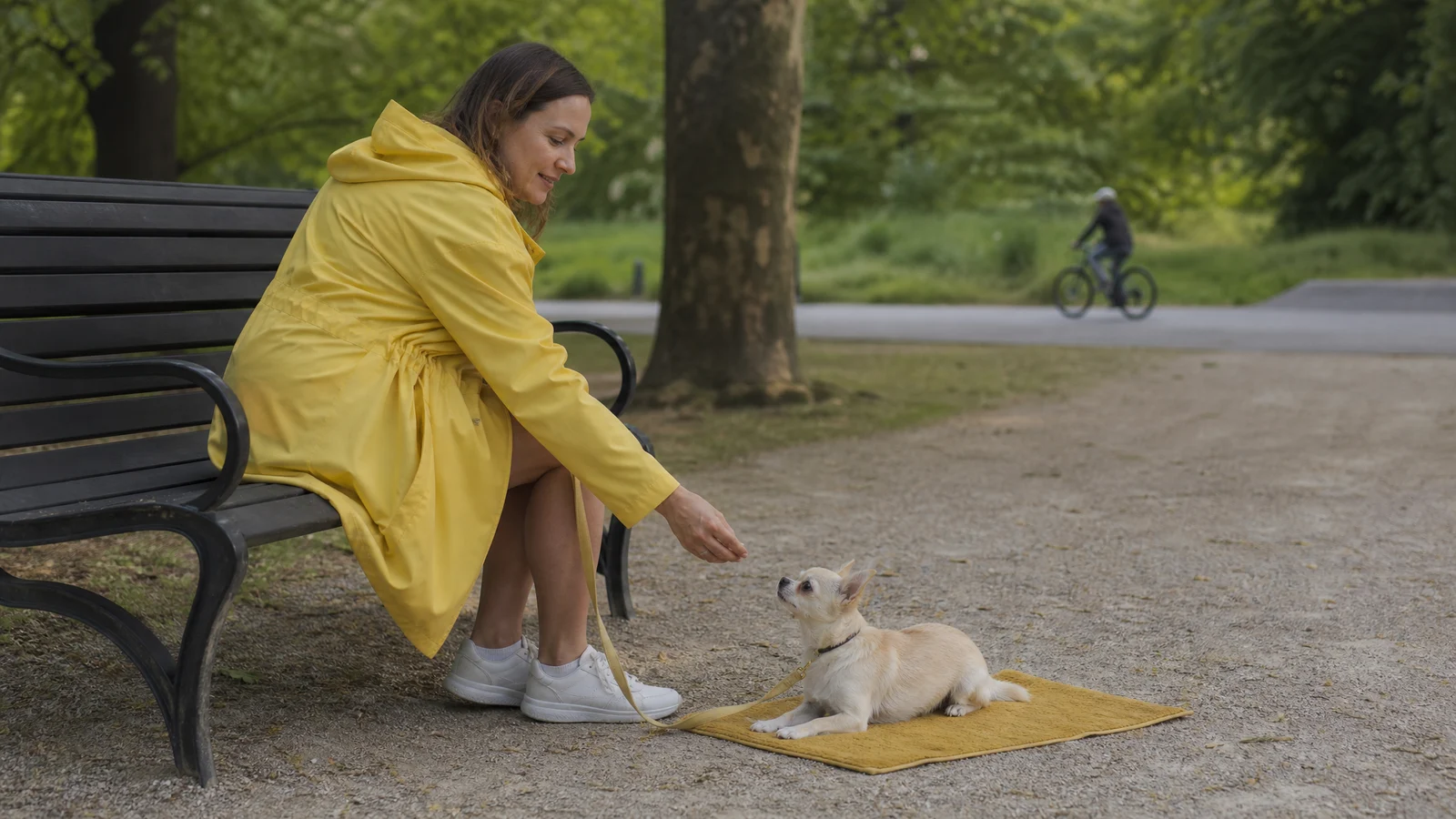 Shaking at noisesHow to Help a Scared or Nervous Chihuahua