 Chihuahua
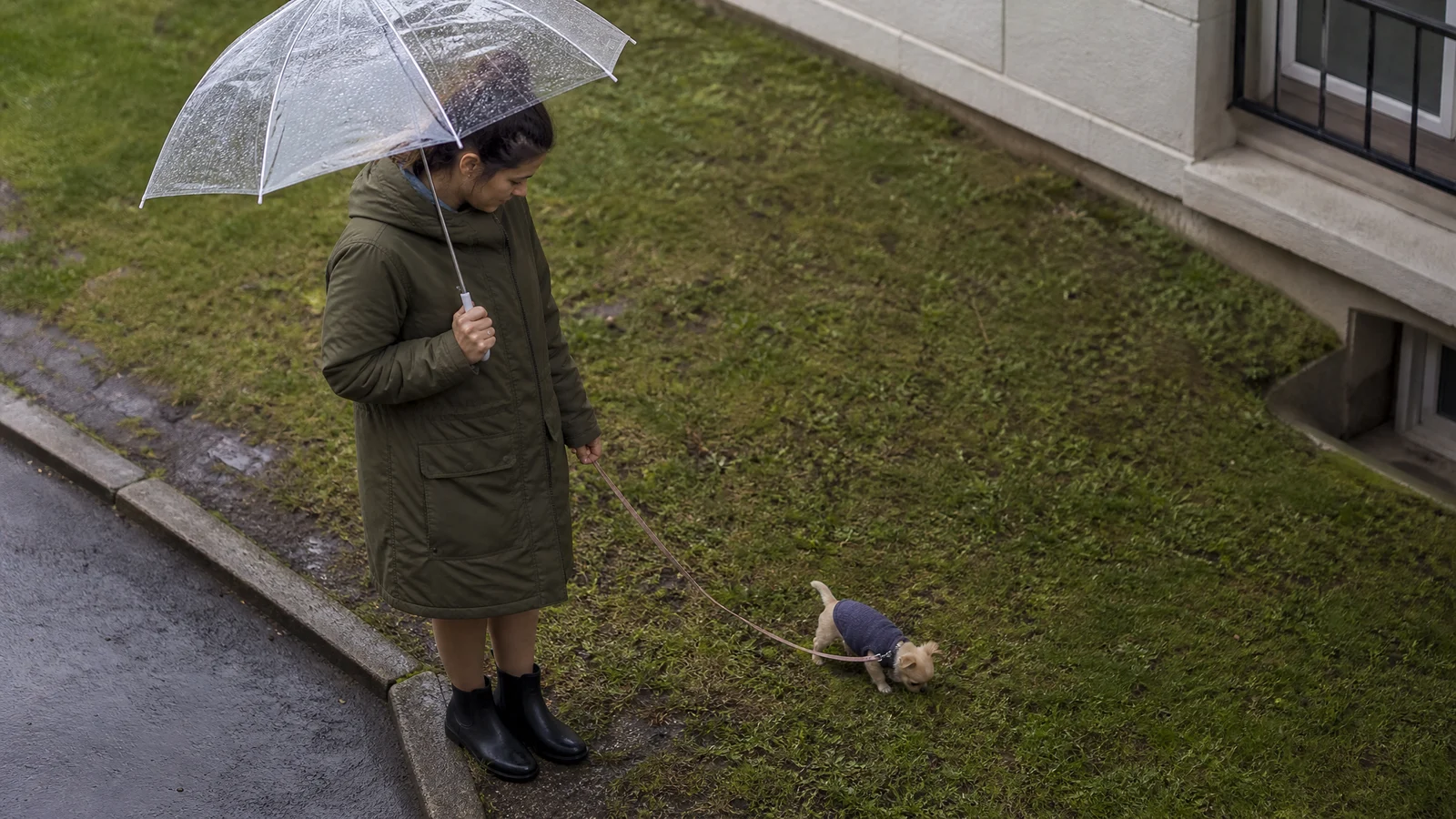
The usual advice says a Chihuahua puppy is house trained like any other dog: choose a spot, head out a few times a day, and reward what goes right. That advice is sound, but owners tell a messier story. What they say works is the same method run more often, with outings every hour or two and after naps and meals, plus praise and a treat the moment the puppy goes. A few also see setbacks when the weather turns cold and wet.
The method holds. What changes is the number of trips and the care around each one. This guide covers potty training a Chihuahua puppy, from the body and den instinct behind the accidents to feeding rhythm, a trip schedule, rewards, indoor options and what to expect over the coming months. We have trained this breed for many years, and we would rather you plan for all of that than be surprised by it.
Chihuahua Bodies and Potty Timing
A Chihuahua puppy can drink from the water bowl and be circling the rug a few minutes later. A body this small has little room to store anything, so the signal arrives fast and with little warning. Everything else in this article follows from that.
Small dogs are house trained the same way as big dogs, with supervision and consistency, but their bodies cannot hold it as long, so they will likely need to go more often. Chihuahuas also run on higher metabolisms, which is one reason adults are fed twice a day. The method stays the same. The trips multiply.
As a rough yardstick, a puppy can hold their bladder about one hour per month of age, so a 3-month-old may need to go every 3 hours. Treat that as a general guide for puppies, not a promise for your dog, and expect a Chihuahua to need outings more often than the guide suggests.
Den Instincts and Potty Habits
Chihuahuas seek out warm spots and will burrow under the blankets in your bed at night. That love of snug, enclosed places is useful, because most puppies avoid soiling the space where they sleep. A pen or kennel sized for a tiny body works with that instinct.
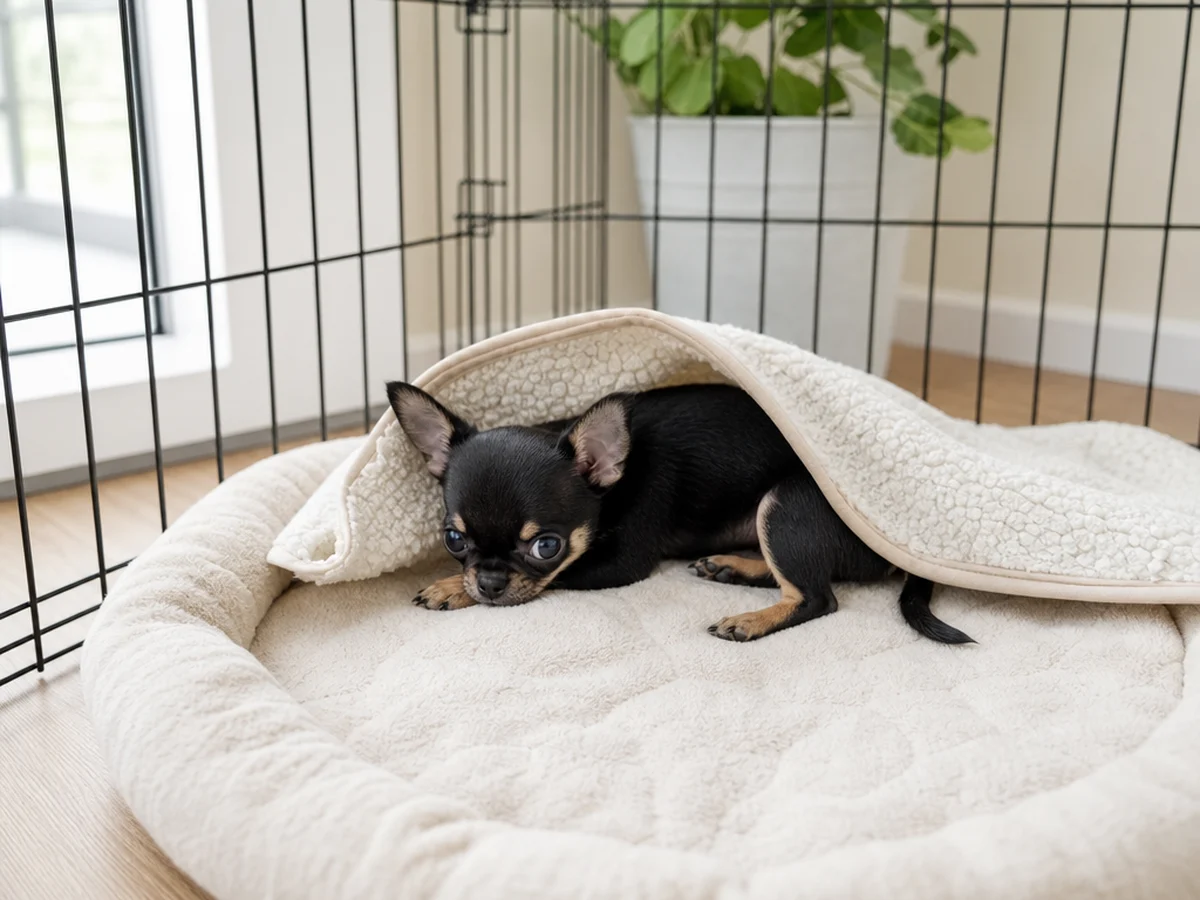
A big space undoes it. Owners report that a smaller kennel or pen while learning helped, since a roomy area lets a puppy pick a corner as a bathroom and then keep returning to it. Open the space up only after the habit is solid.
Puppies also learn where to go from what is under their paws. Owners describe pad-trained dogs who use rugs that look like pads, or who choose carpet over the pad. Decide early which surface you want your puppy to use, and keep the others blocked off while they learn.
Food Access and Potty Rhythm
A Chihuahua puppy who goes too long between meals can turn listless instead of playful, and that changes how you build a potty schedule. The common advice is to feed at set times so potty trips become predictable. For a young puppy of this breed, that advice needs care.
The breed club says young puppies should have food available at all times to prevent hypoglycemia, which means low blood sugar. It can follow a long gap between meals, and also a chill or stress. We would not hold food back to tighten the potty clock. Build the clock around frequent trips instead, and take your puppy out after they eat, drink, play or wake.
A puppy who turns listless is a reason to stop and call your vet right away, not a sign of boredom or stubbornness. Hypoglycemia can be life threatening, so do not wait to see whether it passes.
This is general information, not a feeding plan. Ask your veterinarian how and when to feed your puppy, and what to do if they become listless.
The Chihuahua Potty Schedule
A workable first week looks less like a timetable and more like a loop: out, reward, play, nap, out again. The loop works because it keeps your puppy ahead of their own bladder. Keep it the same every day, and keep everyone in the household on it.
Trips in Order
Many owners say outings every hour or two, plus the trigger points below, are what worked. Go through them in this order:
- Carry your puppy to the potty spot first thing in the morning.
- Go out after every meal and after any time they have been eating or drinking.
- Go out after every nap and every play session.
- Fill the gaps with a trip every hour or two while your puppy is very young.
- Take a last trip right before bed.
Going Out With Your Puppy
Go outside with your puppy every time. Their tiny size makes them easy prey for larger dogs and for hawks or owls, so they should never be put out alone. Stand quietly at the same spot, and the moment they begin, say your chosen cue word.
Keep cold-weather trips short and your puppy warm. This breed was bred for Mexico's warm temperatures, and a jacket or sweater helps. Chilling also feeds the blood sugar risk above.
Supervised Time and Nights
When your puppy is loose, keep them in sight, or put them in the pen. Sniffing, circling and wandering off mean go now. Some dogs learn to ask by sitting in your line of sight or doing a little dance, while others never signal, even with a bell, so do not wait for a request.
Many owners find accidents cluster at night and when they are out. Make night trips quiet, with no play and no bright lights, then back to bed.
Potty Rewards and Accident Cleanup
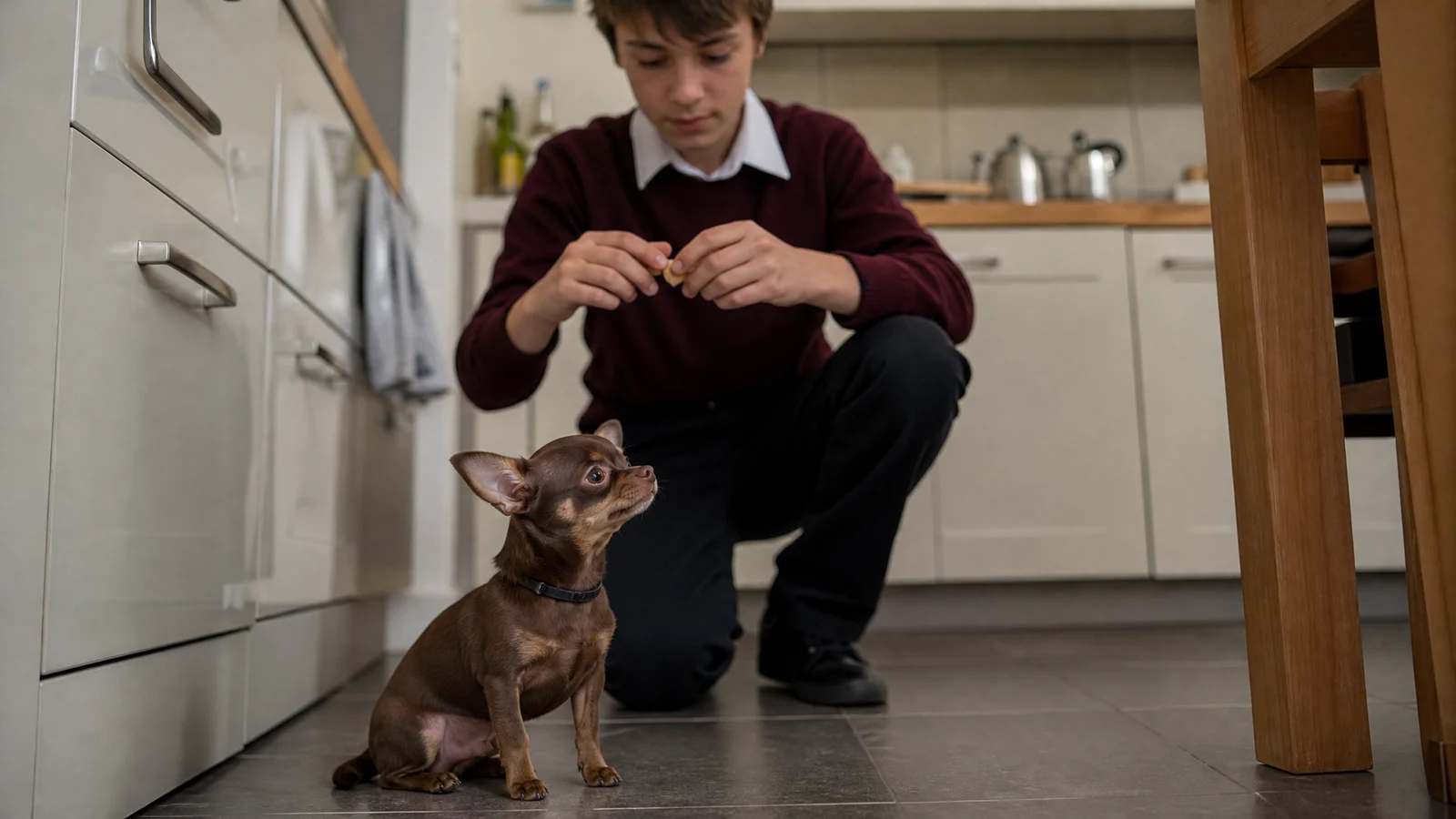
The treat has to arrive while your puppy is still at the spot, not at the front door. A reward delivered after you walk inside pays for coming in, not for going. Carry tiny treats outside and give one the moment they finish, along with big, happy praise.
Praise alone is thin in the early weeks, and most dogs are motivated by small pieces of food. Owners who report success describe exactly this pairing, with no punishment when things go wrong.
Accidents will still happen. If you catch your puppy mid-squat, make a calm interrupting sound and carry them to the spot, then give a treat when they finish in the right place. When you discover a mess after the fact, wipe it up quietly and move on. Then look at the schedule, because an accident usually means a trip came too late.
Use an enzyme-based cleaner and follow the label. Lingering odor draws puppies back to the same corner, which is exactly the habit owners describe.
Indoor Potty Options
In cold places, many owners keep pads for life because their Chihuahuas refuse to go out in the cold. Some dogs use both pads and the yard, while others hold it rather than switch. Litter boxes and pads are options for small dogs, and house training with them is still cleaner than no training at all, so choose your plan early.
Pads, Mats and Pans
Pad-trained dogs are particular about the spot and surface. Owners describe dogs who refuse a moved pad or poop beside it. Some dogs tear disposable pads, and owners solved this with washable pads, a grass mat as a fixed target or a litter pan. Pick one spot and leave it there.
Rain, Cold and Covered Spots
Owners describe dogs who will not pee in the rain, and a pad or a covered spot gets them through. Setbacks are common when the weather turns cold and wet. Some owners avoid pads and win outdoors slowly, so an outdoor-only plan is possible, but it asks for patience and short, warm trips.
Chihuahua Reliability Takes Months
Ask owners how long house training took and the answers run from quick learners to a year or more. Many who also have other small dogs say their Chihuahua was slower. No source backs a fixed day count, so ignore any promise of a trained puppy in days. Our puppy training timeline shows how the rest of training unfolds around it.
Reliability tends to build over months, and relapses are normal. New homes, cold and wet weather, excitement and changes in routine can all bring accidents back. Owners of adult adoptees often say they had to start over. Some owners prevent nervous peeing by offering a trip out before the excitement begins, and a neutered male is less prone to marking, so see peeing in the house if that is your issue.
Some dogs are never fully reliable, and a few seniors go back to pads or dribble at night. Keep up regular vet visits. If you see accidents despite consistent training, sudden incontinence, more thirst, straining or discomfort, call your vet before you assume it is a training problem.
Expect steady gains with the occasional step back. When a setback comes, return to the routine: more trips, closer supervision, a treat at the spot. That fixes most of them, and over the long run your Chihuahua becomes dependable.
 Barking at visitorsHow to Train a Chihuahua: The Complete Guide
 Training basicsLeash Training a Chihuahua: Pulling, Lunging and Loose-Leash Walking
 House trainingPicking Up a Chihuahua: Calm Lifts on a Cue